The Best Skincare Routine for Acne-Prone Skin (Step by Step)
In our first post, we mapped the four biological processes behind every breakout. In our second, we introduced eight botanical ingredients with the clinical evidence to address them. This final post answers the question that follows naturally from both: how do you put it all together into a daily routine that actually works?
Most acne skincare advice focuses on finding one miracle product—the spot treatment, the retinoid, or the viral toner. What the evidence shows is something more structured: effective acne management is built around three non-negotiable pillars—cleansing, moisturizing, and photoprotection—each serving a distinct biological purpose, each connecting directly to the root causes from our first post of this series.
One thing before we begin: no topical routine, however well-built, can fully compensate for the hormonal cascade that a high-GL diet and dairy keep firing from within. This routine is the external layer of a two-layer strategy. Both layers matter.
In this guide, you will discover:
- Why the 3-pillar framework is the clinical standard for acne-prone skin—and why most routines fail without it
- How to choose a cleanser that removes sebum without destroying your skin barrier
- Why skipping moisturizer makes acne worse—and what to look for in an acne-safe formula
- A DIY clay face mask with a 6-botanical active layer targeting sebum, C. acnes, and post-acne pigmentation
- A DIY retinoid-rich facial oil addressing acne at the sebum composition level
- An inside-out photoprotection strategy using targeted supplementation
Whether you are a teenager navigating first breakouts or an adult woman managing hormonal acne, this routine is built for you—with audience-specific guidance at every step.

Why Your Skincare Routine Is Part of Your Acne Treatment
For a long time, skincare was considered secondary to acne treatment — something you did around your prescription, not as part of it. That view has shifted decisively. Dermatologists now recognize that a well-structured daily routine is a core component of acne management at every severity level, from mild comedonal breakouts to inflammatory acne requiring medical treatment.
A properly built routine performs three clinical functions simultaneously.
The first is sebum load reduction. Every cleansing and active ingredient step directly addresses the excess sebum and follicular clogging driving root causes #1 and #2 from our first post—reducing the sebum environment that feeds C. acnes colonization.
The second is barrier support. Acne-prone skin consistently shows compromised barrier function—and here is the paradox: harsh, stripping routines can make the condition worse, not better. When the barrier is damaged by over-cleansing or aggressive products, the resulting dryness and irritation compromise barrier integrity and reduce tolerance to the very treatments meant to address acne.
The third is microbiome balance. The skin microbiome plays a direct role in C. acnes colonization. A routine that disrupts the broader microbial ecosystem—through over-cleansing, alcohol-heavy products, or indiscriminate antimicrobials—creates conditions that favor C. acnes dominance over the beneficial bacteria that naturally keep it in check.One practical principle underpins all three: favor mildly acidic formulations. Healthy skin pH sits around 4.7—a mildly acidic environment that supports the acid mantle, barrier integrity, and microbiome balance simultaneously. This does not mean categorically avoiding any cleanser type—even plain water at pH 7 temporarily shifts skin pH without documented harm in healthy skin. For acne-prone skin, products that respect and support the skin’s naturally acidic environment are consistently the more supportive choice.
Pillar 1: Cleansing — The Foundation of Every Acne Routine
The goal of cleansing for acne-prone skin is precise: remove excess sebum, dead skin cells, pollutants, and makeup without stripping the skin’s natural lipids, disrupting its pH, or compromising the barrier function it needs to heal. Both objectives matter equally.
What to Look For
Cleansing agents
Choose gentle cleansers with mild, naturally derived surfactants. Look for sodium methyl cocoyl taurate, coco-betaine, or glucosides—all effective, gentle on the barrier, and considerably less irritating than harsher alternatives.
pH
Healthy skin sits at a naturally acidic pH of around 4.7. For acne-prone skin, favoring cleansers formulated toward this mildly acidic range best supports the acid mantle and microbiome balance discussed in the previous section.
Fragrance and alcohol
Both are common irritants for acne-prone skin and should be avoided where possible.
Active ingredients to prioritize
- Salicylic acid (0.5–2%): Penetrates the follicular canal and directly addresses hyperkeratinization—Root Cause #2. Salicylic acid is one of the most evidence-backed active ingredients for an acne cleanser.
- Niacinamide (2–4%): Reduces sebum production, calms inflammation, and supports barrier function even in rinse-off format
How to Cleanse
- Frequency: Once or twice daily—over-cleansing can lead to skin dryness and irritation, which dermatologists caution may worsen acne by compromising barrier function and reducing tolerance to topical treatments.
- Water temperature: Lukewarm only—hot water worsens redness; cold water does not effectively remove sebum.
- Technique: Gentle circular motions for 30–60 seconds — no scrubbing, no abrasive tools
Audience Notes
- Teenagers: Twice daily, morning and evening — higher puberty-driven sebum production makes consistency essential
- Adult women: Prioritize evening cleansing — removing sunscreen, makeup, and accumulated sebum before applying actives
- Mild acne: A salicylic acid cleanser alone may provide meaningful improvement as a first standalone step.
- Moderate-to-severe acne: Cleansing prepares the skin for prescription topicals—step order matters.
Pillar 2: Moisturizing — The Step Most Acne-Prone Readers Are Skipping
Ask most people with acne whether they moisturize, and a surprising number will say no. The reasoning is intuitive but incorrect: if acne is driven by excess oil, adding moisture seems counterproductive. The evidence actually shows that moisturizing is beneficial for acne-prone skin. Dehydrated acne-prone skin has compromised barrier function, heightened inflammation, and reduced tolerance to the active treatments that address breakouts. Moisturizing is not optional—it makes the rest of your routine work.
The goal is specific: restore and maintain barrier function, reduce transepidermal water loss (TEWL), and deliver active ingredients that address root causes without clogging pores.
What to Look For
Formulation first
Non-comedogenic, non-acnegenic, fragrance-free, alcohol-free, and minimal preservatives. Lightweight textures — gels, lotions, gel-creams, or oil-free emulsions — are preferable over heavy creams for oily and combination skin.
Active ingredients to prioritize
- Niacinamide (4–5%): Reduces sebum production, calms inflammation, stimulates the skin’s own production of ceramides—directly strengthening the barrier from within—and fades post-acne hyperpigmentation. No other single cosmeceutical ingredient addresses as many of acne’s root consequences simultaneously, which is why it earns its place as the anchor active in an acne-prone moisturizer. To explore the full science behind niacinamide’s skin benefits, read our dedicated guide:
➡ 7 Niacinamide Benefits for Skin Care
- Ceramides: Replenish the lipid layers of the skin barrier depleted by acne treatments—essential for anyone using retinoids.
- Zinc-PCA: The most bioavailable and moisturizer-compatible zinc form for topical use. It directly inhibits 5α-reductase in sebocytes—reducing androgen-driven sebum overproduction at the skin level (Root Cause #1). It selectively acts as an antimicrobial against C. acnes while preserving the broader microbiome.
- Aloe vera (Aloe barbadensis): Soothing, anti-inflammatory, and gently antimicrobial—ideal for barrier-compromised or post-treatment skin. An aloe vera-based gel moisturizer is one of the most skin-compatible options for skin sensitized by active acne treatments.
- Centella asiatica / Madecassoside: This ingredient is anti-inflammatory and barrier-repairing, as it directly inhibits the TLR-2 inflammatory trigger mentioned in Root Cause #4 of the first post in this series.
- Panthenol (Vitamin B5): Barrier-soothing, hydrating, and well-tolerated even on sensitized skin
- Licochalcone A / Licorice extract: Sebum-regulating and anti-inflammatory — one of the most clinically validated cosmeceutical sebum-control ingredients, with multiple clinical studies confirming efficacy alongside adapalene. Also addresses post-acne hyperpigmentation through tyrosinase inhibition.
- Mangosteen pericarp extract: Anti-inflammatory, antioxidant, and potent antimicrobial against C. acnes, including resistant strains. Also inhibits melanin synthesis for post-acne mark prevention.
Audience Notes
- Teenagers with oily skin: Lightweight gel or lotion, morning and evening — prioritize niacinamide and zinc-PCA
- Adult women, normal-combination skin: Gel-cream or lotion, morning and evening — niacinamide + ceramides
- Adult women with hormonal acne: Should use a combination of niacinamide and zinc-PCA, which helps reduce inflammation and control oil during their monthly breakouts.
- During retinoid or prescription treatment: A ceramide-rich moisturizer is essential—apply it to buffer irritation and prevent barrier breakdown.
- Sensitive or barrier-compromised skin: Aloe vera + centella asiatica + panthenol + ceramides — repair and soothe before layering actives
DIY Clay Face Mask for Acne-Prone Skin: Deep Cleansing Without Disruption
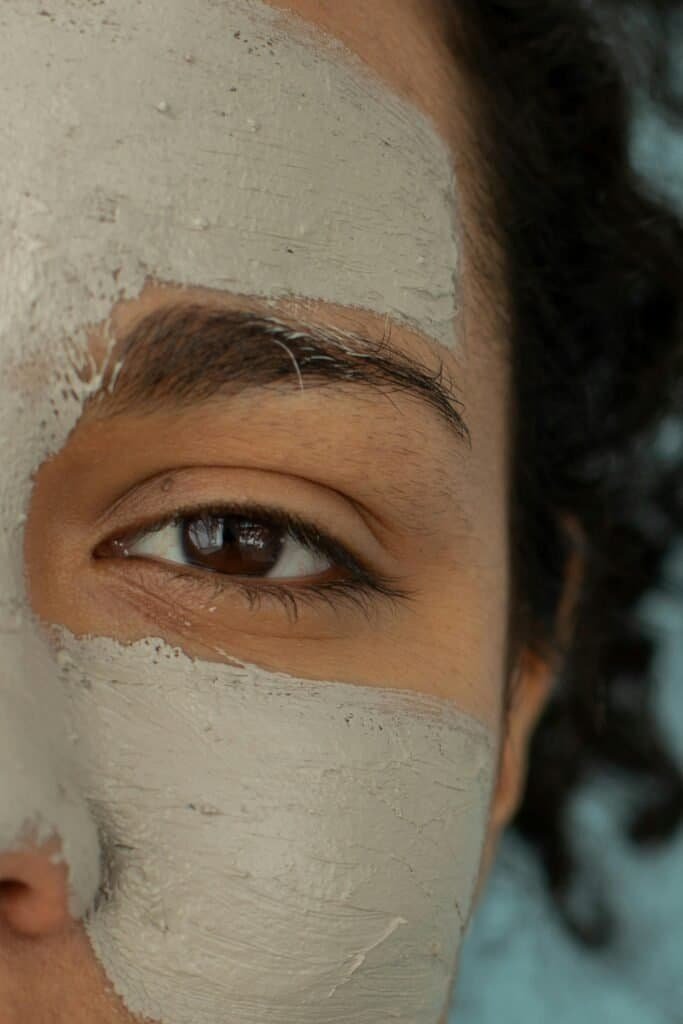
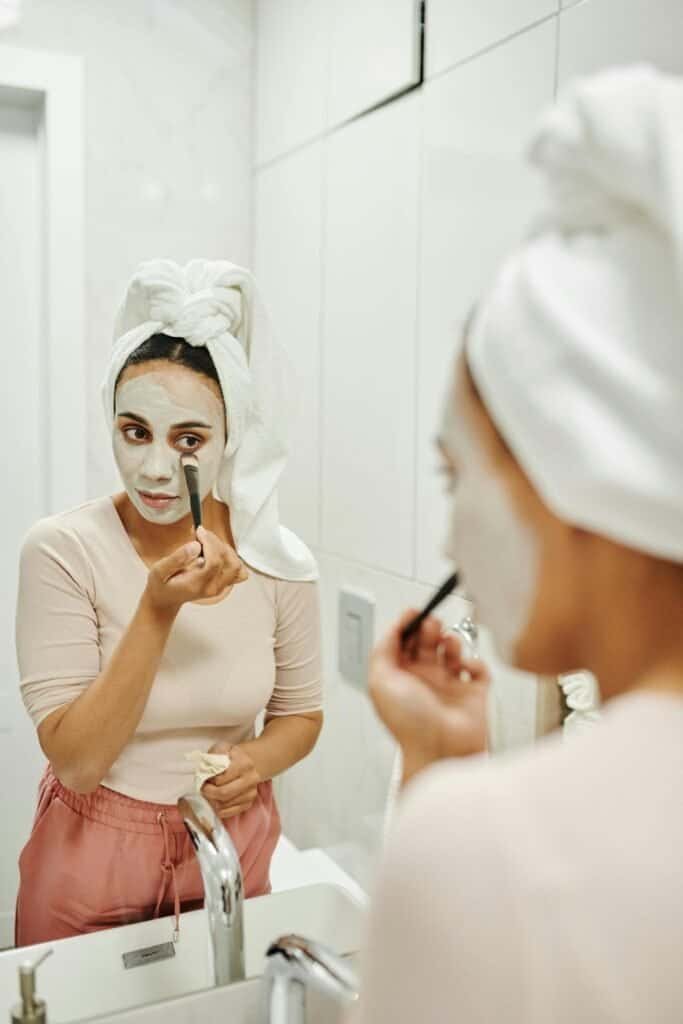
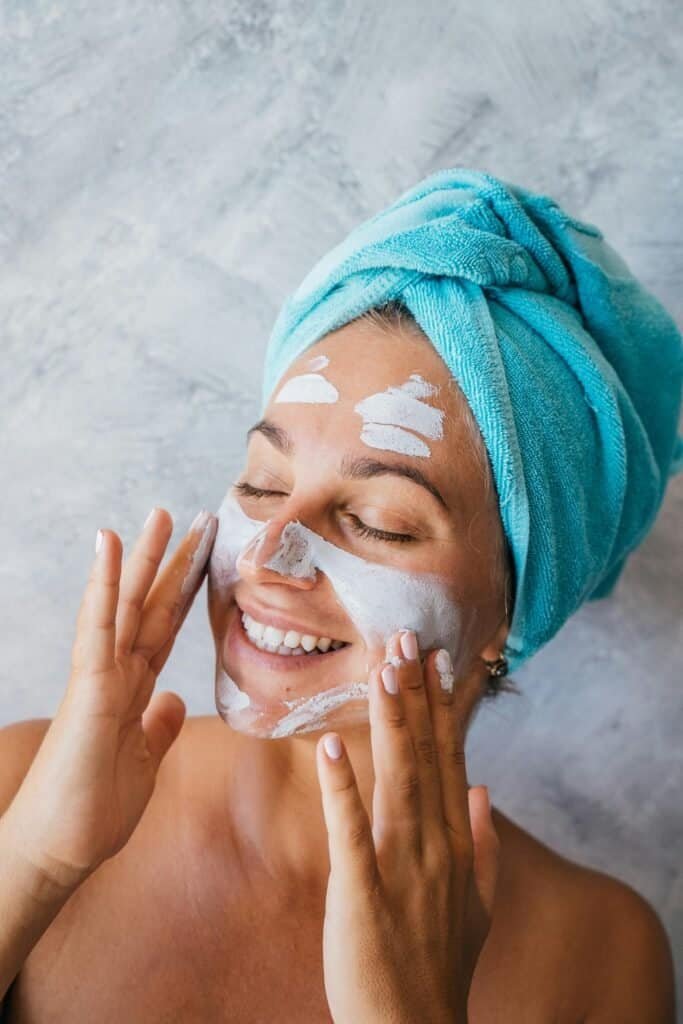
Once or twice a week, a well-formulated clay mask reaches deeper than daily cleansing can—drawing out excess sebum, impurities, and bacteria from the follicular canal while the rest of your routine works to maintain the barrier. The key is choosing ingredients that deliver therapeutic depth without the drying, stripping effect that makes many clay masks counterproductive for acne-prone skin.
The clinical evidence supports this approach: a 4-week study of a mask made with kaolin and bentonite showed significant reductions in both open and closed comedones, sebum levels, and water loss from the skin, with improvements noticed from the first use and continuing throughout the study. A separate randomized controlled trial of a bentonite-based facial mask found a 66.33% reduction in acne severity index compared to 27.15% in the placebo group.
The Best Clays for Acne-Prone Skin
- Kaolin: A gentle clay that is a type of hydrated aluminum silicate, known for its excellent ability to absorb oil and cause very little irritation. Suitable for all skin types, including sensitized acne-prone skin
- Bentonite: The healing powerhouse—a type of clay that has a layered structure that attracts and removes excess oil, bacteria, and dirt from the pores. Bentonite directly addresses sebaceous hyperactivity and the formation of comedones.
- Green clay / Illite: This mineral enhancer is rich in silica, magnesium, and calcium. Tightens pores, stimulates circulation, and adds a remineralizing dimension that neither kaolin nor bentonite alone provides.
Materials Needed
- Digital scale accurate to 0.1g — essential for precise measurement of botanical powders and liquids
- 50ml glass beaker — for mixing and combining all ingredients
- Small glass stirring rod or stainless-steel spatula — for mixing the mask to an even paste
- Nitrile gloves — recommended when handling concentrated botanical extracts
- Sanitizing alcohol (70% isopropyl or 95% ethanol) — to clean your beaker and spatula before use
- Clean towel or paper towels for workspace cleanup
The Recipe
Single-use batch: 10g total. Prepare fresh for each use and discard any unused portion immediately after application.
Clay base:
- 2.6g kaolin clay powder
- 2g bentonite clay powder
- 1.3g green clay / illite powder
Solid botanical active phase:
- 0.3 g niacinamide powder — sebum control, anti-inflammatory, stimulates ceramide synthesis, anti-pigmentation
- 0.15 g silymarin powder (min. 70% silymarin)—normalizes sebum composition and antioxidant protection against squalene oxidation.
- 0.15 g goldenseal root powder (Hydrastis canadensis)—berberine-rich; antimicrobial against C. acnes, including biofilm-forming strains. Avoid during pregnancy
Liquid botanical active phase:
- 2 g witch hazel distillate (alcohol-free) — astringent, mild antimicrobial, primary carrier
- 0.7 g standardized liquid green tea extract—antioxidant, anti-inflammatory, and disruptive to C. acnes biofilm.
- 0.8 g licorice root liquid extract—helps reduce inflammation, fights C. acnes, and prevents dark spots from acne by blocking tyrosinase.
Preparation
Sanitize your beaker and spatula with alcohol and allow them to dry completely. Combine all powders in the beaker. Add witch hazel, green tea extract, and licorice extract gradually, mixing to a smooth, even paste. Adjust consistency with a few additional drops of witch hazel if needed—the mask should hold its shape on the skin without dripping.
Application
Apply to clean, dry skin, avoiding the eye area. Leave for 10–15 minutes—until almost dry, not fully dry. Remove gently with lukewarm water and a soft cloth. Follow immediately with moisturizer. Discard any unused portion immediately after application.
Frequency
1–2x per week maximum.
Audience Notes
- Oily/congested skin: Full recipe as written, up to twice weekly
- Sensitive or dry skin: Increase kaolin to 4 g and reduce bentonite to 1 g, once weekly only
- During active flares: Once weekly — barrier repair takes priority over deep cleansing
- Pregnant women: Omit goldenseal entirely—use the recipe without it.
Where to Buy — Canada and United States
All ingredients are available from reputable cosmetic raw material suppliers with shipping across Canada and the United States:
| Ingredient | Suggested Suppliers |
| Kaolin clay powder | New Directions Aromatics (CA/US), Brambleberry (US) |
| Bentonite clay powder | New Directions Aromatics (CA/US), Brambleberry (US) |
| Green clay / Illite powder | New Directions Aromatics (CA/US), Brambleberry (US) |
| Niacinamide powder | New Directions Aromatics (CA/US), Lotioncrafter (US) |
| Silymarin powder | New Directions Aromatics (CA/US) |
| Goldenseal root powder | New Directions Aromatics (CA/US), Mountain Rose Herbs (US) |
| Witch hazel distillate (alcohol-free) | Shoppers Drug Mart CA, Walmart/Target US, New Directions Aromatics (CA/US) |
| Liquid green tea extract (standardized EGCG) | New Directions Aromatics (CA/US), Lotioncrafter (US), Making Cosmetics (US) |
| Licorice root liquid extract | New Directions Aromatics (CA/US), Lotioncrafter (US) |
DIY Retinoid-Rich Facial Oil: Moisturizing, Repairing, and Regenerating for Acne-Prone Skin
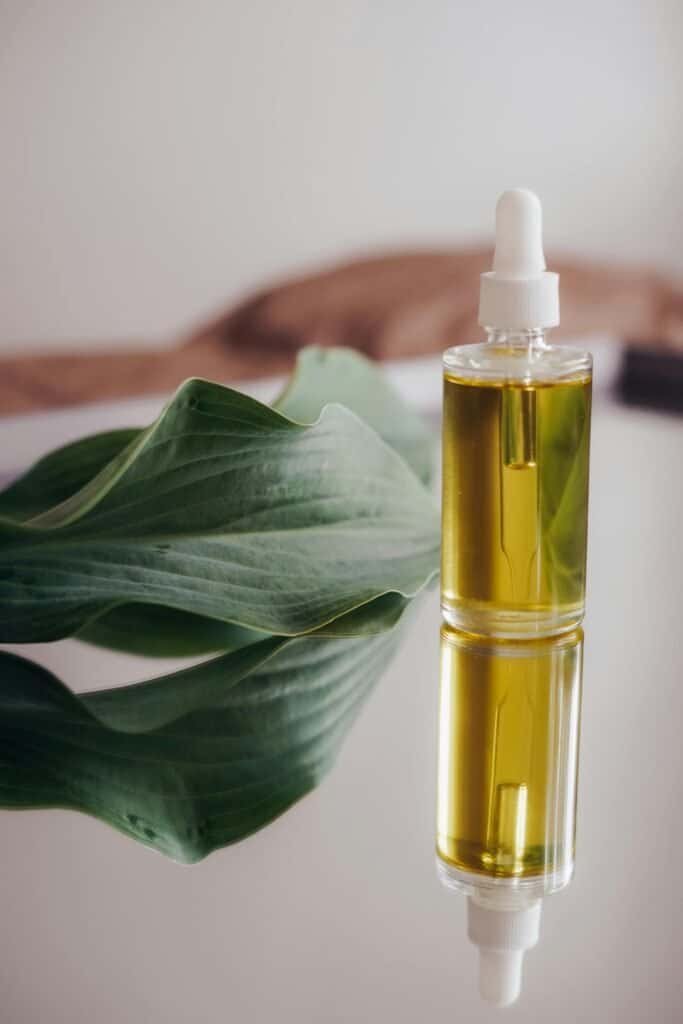
In our first post of this series, we established that acne-prone sebum is specifically deficient in linoleic acid — a compositional imbalance that makes it more inflammatory and more prone to triggering follicular clogging. This facial oil addresses that deficiency while simultaneously moisturizing, repairing the skin barrier, and supporting the natural regeneration that keeps acne-prone skin resilient between breakouts.
Unlike regular moisturizers, this beneficial facial oil provides skin-friendly ingredients like retinoids, omega fatty acids, antioxidants, and anti-inflammatory compounds directly to the skin in a way that the skin can easily absorb and use. For mild acne, it can serve as a standalone evening treatment. For moderate acne alongside prescription therapy, it supports barrier repair and regeneration while conventional treatments do their work.
The ingredients
- Rosehip (Rosa Canina) seed CO₂ extract: The cornerstone of the formula — one of the very few carrier oils to contain trans-retinoic acid in its natural form, alongside linoleic acid and essential fatty acids. Its retinoic acid content supports cell turnover, comedone prevention, and tissue regeneration. This oil is rich in antioxidants that protect the skin against UV-induced aging.
- Jojoba oil: A liquid wax that works like our skin’s natural sebum and is safe for the skin. Jojoba oil is non-comedogenic and exceptionally stable. It provides immediate skin-softening and moisturizing benefits while supporting sebum balance.
- Sea buckthorn seed CO₂: The omega specialist is rich in omega-3 (alpha-linolenic acid) and omega-6 (linoleic acid), directly replenishing the linoleic acid deficiency in acne-prone sebum. Supports barrier repair and reduces skin inflammation.
- Sea buckthorn berry CO₂: Rich in omega-7 (palmitoleic acid), carotenoids, and tocopherols — a uniquely regenerating oil that supports tissue repair and skin renewal. Potent anti-inflammatory.
- Vitamin E oil / Tocopherol: Antioxidant and active ingredient—protects the formula from rancidity. Also provides direct antioxidant protection at the skin surface
- Bakuchiol: A natural alternative to retinol from the Psoralea corylifolia plant—it works well with the natural retinoic acid in rosehip to help with cell renewal, reduce inflammation, and prevent clogged pores. Well-tolerated compared to synthetic retinoids, making it suitable for sensitive and reactive acne-prone skin
- Bisabolol natural: Anti-inflammatory, skin-soothing, and barrier-supportive. It calms reactive skin and enhances the absorption of the other active oils in the follicular canal. Ideal alongside retinoid-active ingredients
Materials Needed
- Digital scale accurate to 0.1 g
- 30 ml amber glass dropper bottle
- 50 ml glass beaker with spout
- Glass stirring rod or stainless-steel spatula
- Sanitizing alcohol (70% isopropyl or 95% ethanol)
- Nitrile gloves
- Waterproof label and marker
The Recipe
Per 25g / 30ml amber glass dropper bottle:
- 12 g rosehip seed CO₂ (Rosa Canina Seed Extract—48%)
- 5 g jojoba oil — 20%
- 5 g sea buckthorn seed CO₂—20%
- 1.25 g sea buckthorn berry CO₂ — 5%
- 1.25 g Vitamin E oil / tocopherol — 5%
- 0.25 g bakuchiol oil — 1%
- 0.25 g bisabolol natural—1%
Preparation
Sanitize all equipment with alcohol and allow to dry. Combine oils in the order listed, stirring gently after each addition. Add bakuchiol and bisabolol last—both blend most cleanly when added to the already-combined oil base. Transfer it to your amber glass dropper bottle. Cap tightly and label with contents and date. Store in a cool, dark location.
Application
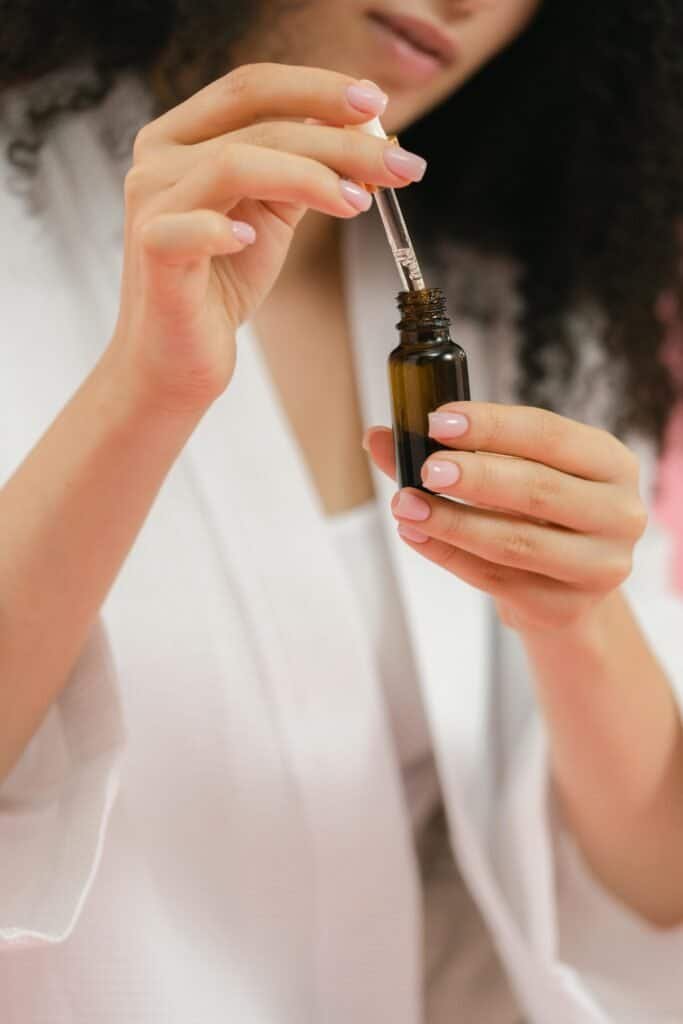
Apply 3–5 drops to clean skin, pressing gently. Evening use preferred. Introduce gradually—every other evening for the first two weeks to allow the skin to adapt.
Shelf life: 3–4 months from preparation date. Discard if a rancid smell develops.
Audience Notes
- Teenagers: Full recipe—rosehip’s natural retinoic acid combined with bakuchiol provides appropriate cell-turnover support for younger skin
- Adult women: Full recipe
Where to Buy — Canada and United States
| Ingredient | Suggested Suppliers |
| Rosehip seed CO2 (Rosa Canina Seed Extract) | New Directions Aromatics (CA/US), Eden Botanicals (US), Soap and More (CA) |
| Jojoba oil | New Directions Aromatics (CA/US), Brambleberry (US) |
| Sea buckthorn seed CO2 | Eden Botanicals (US), Soap and More (CA) |
| Sea buckthorn berry CO2 | Eden Botanicals (US), Soap and More (CA) |
| Vitamin E oil / tocopherol | New Directions Aromatics (CA/US), Brambleberry (US) |
| Bakuchiol oil | New Directions Aromatics (CA/US), Lotioncrafter (US) |
| Bisabolol natural | New Directions Aromatics (CA/US), Lotioncrafter (US), Soap and More (CA) |
Practical tip: Store rosehip and sea buckthorn CO2 extracts in the refrigerator. Cold storage preserves retinoic acid, retinoid precursors, and carotenoid content, significantly extending shelf life.
Pillar 3: Photoprotection — Why Polypodium Leucotomos Belongs in Every Acne Routine
Photoprotection is the third and final pillar of an effective acne skincare routine—and the one most likely to be misunderstood. When most people think of sun protection, they think of sunscreen. But there is a fundamental and widely documented problem with sunscreen as a sole photoprotection strategy: compliance. Studies consistently show that most people do not reapply sunscreen every two hours, as required for sustained protection—making the real-world efficacy of sunscreen significantly lower than its SPF number suggests.
Photoprotection is essential for people with acne-prone skin for three different reasons. UV radiation triggers the same inflammatory pathways that drive acne progression. Many acne treatments increase photosensitivity, making unprotected UV exposure during treatment counterproductive. And every inflammatory lesion carries the risk of post-acne hyperpigmentation that UV radiation deepens and prolongs.
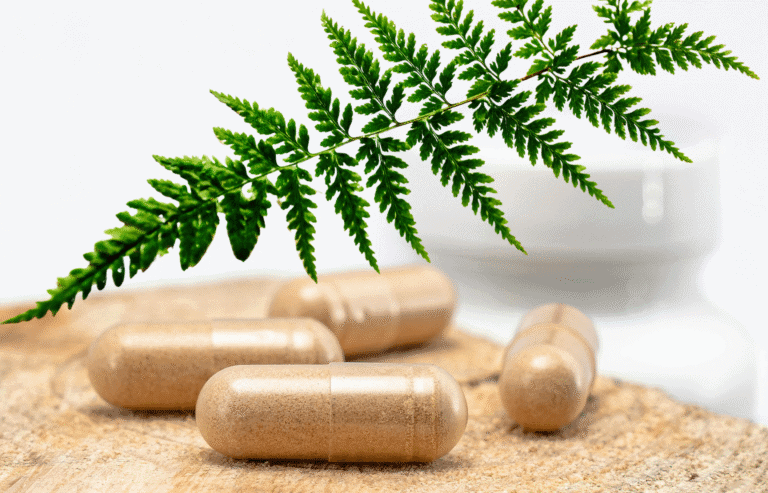
Polypodium leucotomos (PL) addresses all three of these concerns simultaneously—and because it is an oral supplement taken once daily, it requires no reapplication, no timing around outdoor activities, and no additional step in the skincare routine.
What Polypodium Leucotomos Does for Acne-Prone Skin
PL is a clinically validated fern extract rich in polyphenols—including ferulic acid, caffeic acid, and chlorogenic acid—that provides photoprotection from the inside out through multiple simultaneous mechanisms:
- Reduces UV-induced inflammation — directly dampening the inflammatory cascade that drives acne progression and lesion escalation
- Prevents post-inflammatory hyperpigmentation — by reducing UV-induced melanin stimulation, it helps prevent and fade the dark marks that outlast breakouts. Particularly valuable for medium to deeper skin tones where PIH is more pronounced and persistent
- Protects skin immunity — UV radiation suppresses Langerhans cells, the skin’s front-line immune defenders. PL preserves their function, supporting the skin’s ability to regulate C. acnes colonization.
- Prevents photosensitization from acne treatments—for anyone using retinoids, salicylic acid, or other photosensitizing actives, PL provides a meaningful layer of protection against the UV sensitivity these treatments create
At Natural Beauty Regimen, we have covered the full science of Polypodium leucotomos in depth, including its clinical evidence, mechanism, dosage, and the best supplements available. Rather than repeat that here, we direct you to our complete guides:
➡ 6 Proven Skin Benefits of Polypodium Leucotomos Backed by Science
➡ 7 Best Natural Substances for Holistic Sun Protection and Skin Cancer Prevention
Targeted Supplementation: Addressing Acne From the Inside Out
In our first post, we established that acne is significantly driven by internal factors — hormonal signaling, diet, and systemic inflammation. The dietary changes recommended there address the hormonal cascade at its root. The topical routine in this post addresses acne at the skin level. Supplementation helps connect both approaches by focusing on the body’s internal environment related to acne using nutrients that have scientific support.
This section does not replace the dietary principles from post one. It complements them.
Supplement #1: Polypodium Leucotomos (240–480 mg daily)
The previous section has already fully covered this topic. PL addresses photoprotection, UV-induced inflammation, and post-acne hyperpigmentation from an internal perspective. For complete information on the science, dosage, and supplement recommendations, please refer to the following posts:
➡ 6 Proven Skin Benefits of Polypodium Leucotomos Backed by Science
➡ 9 Best Polypodium Leucotomos Supplements for Sun Protection & Glowing Skin
Supplement #2: Zinc Picolinate (25–40 mg elemental zinc daily)
Zinc is one of the most extensively studied oral supplements for acne — and the evidence is remarkably consistent. A systematic review of 25 studies involving 2,445 participants confirmed that acne patients have lower zinc levels than controls and that zinc supplementation produces significant improvements in acne compared to placebo.
Zinc addresses acne through multiple simultaneous mechanisms: it directly inhibits C. acnes proliferation; reduces sebaceous gland activity by suppressing the conversion of testosterone into its more potent form — the same androgen pathway from Root Cause #1; and calms the skin’s immune response that turns a blocked pore into an inflamed lesion.
Zinc picolinate is the preferred form — its picolinic acid chelate delivers the highest bioavailability of all zinc supplement forms, ensuring meaningful tissue delivery at lower doses. It provides a direct treatment link: zinc-PCA in your moisturiser helps control oil on the skin’s surface, while zinc picolinate supplements work throughout your body – the same mineral acting at every level of your skincare routine at the same time.
Dosage note: take 25–40 mg of elemental zinc daily with food. Do not exceed 40 mg—long-term high doses can deplete copper levels. If you are taking antibiotics, leave a 2-hour gap between your zinc supplement and your antibiotic dose.
Supplement #3: Selenium (55–100 mcg daily)
Selenium is an essential trace mineral whose role in acne is increasingly well-documented. Acne patients consistently show lower serum selenium levels than controls—and lower levels correlate with greater acne severity. A randomized double-blind placebo-controlled trial found that daily selenium supplementation produced a 46.9% reduction in acne lesions compared to 12.5% in the placebo group.
Selenium works through the body’s primary antioxidant defense system—protecting sebocytes from oxidative damage and contributing to the normalization of sebum composition, one of the upstream contributors to acne-prone skin’s chronic inflammatory state established in post one. It is synergistic with vitamin E, and together they help protect the skin’s lipid environment from the kind of oxidative damage that makes acne-prone sebum more inflammatory.
Dosage note: Take 55–100 mcg daily. Do not exceed 200 mcg—selenium has a narrow therapeutic window, and too much over time can cause adverse effects.
A Note on Timing and Expectations
Topical routines show results in 4–8 weeks. Supplementation typically requires 8–12 weeks of consistent use for meaningful clinical improvement. Patience and consistency are not optional — they are the mechanism.
Your Complete Acne-Prone Skin Routine: Morning and Evening
Everything in this post — the three pillars, the two DIY formulas, the supplementation stack — comes together here into a single, practical daily framework. Use this as your reference guide.
☀️ Morning Routine
Step 1 — Cleanse Gentle cleanser with mild natural cleansing agents. Salicylic acid (0.5–2%) if available. Lukewarm water, 30–60 seconds, no scrubbing.
Step 2 — Moisturize with lightweight gel, lotion, or gel-cream. Look for niacinamide (4–5%), zinc-PCA, ceramides, and aloe vera. Apply while skin is still slightly damp.
Step 3 — Photoprotection Polypodium leucotomos supplement (240–480 mg) taken with breakfast—your inside-out photoprotection layer.
Step 4 — Supplements with breakfast: Zinc picolinate (25–40 mg with food)
🌙 Evening Routine
Step 1 — Cleanse: Same cleanser as morning, or a slightly richer formula if skin feels tight from daytime treatments.
Step 2 — Active treatment: Choose one based on your situation:
- Prescription topical (retinoid, benzoyl peroxide) if prescribed — apply to clean, dry skin
- DIY Retinoid-Rich Facial Oil on non-prescription nights—3–5 drops pressed gently into skin
Step 3 — Moisturize: Use a ceramide-rich formula if using prescription retinoids—apply over the active to buffer irritation. Niacinamide-based formula on other nights.
Step 4 — Supplements with dinner: Selenium (55–100 mcg)
🌿 Weekly (1–2x)
DIY Clay Face Mask — prepare it fresh, apply after cleansing, leave it on for 10–15 minutes, and follow immediately with a moisturizer. Discard the unused portion.
Audience Notes
- Mild acne: Start with the core three steps—cleanser, moisturizer, and PL supplementation. Add one active at a time and observe your skin’s response before layering further.
- Moderate-to-severe acne: This routine is adjunctive—use it alongside your dermatologist’s prescription protocol. The moisturizer, facial oil, and clay mask all support barrier function and reduce side effects of prescription treatments.
- Teenagers: Core routines (cleanse, moisturize, PL, zinc)—introduce the facial oil gradually. The clay mask, once per week, is appropriate from the start.
- Adult women with hormonal acne: Full routine including zinc picolinate supplementation. The facial oil on evenings between prescription treatments is particularly valuable for barrier repair and skin regeneration during cyclical breakout phases.
- Pregnant women: a gentle cleanser, a ceramide-rich moisturizer, PL supplementation, and selenium are recommended. Consult your healthcare provider before beginning any supplement.
Conclusion
Three posts. Three layers of the same strategy.
In our first post, you learned what actually causes acne — the four biological processes that drive every breakout, the evolutionary quirk that makes humans uniquely vulnerable, and the dietary triggers that keep the cascade firing. With our second, you discovered that nature has precise, science-backed answers to each of those mechanisms—eight botanicals with clinical evidence to prove them. In this final post, you have built those foundations into a daily routine structured around the three pillars that dermatologists recognize as the clinical standard for acne-prone skin care.
What makes this approach different from most acne advice is its architecture. Every step connects to a root cause. Each ingredient earns its place through evidence. Every layer—dietary, topical, or supplemental—addresses the same biological problem from a different angle. That is not complexity for its own sake. It is the most effective way to address a condition that is itself multifactorial.
Clear skin is not the result of finding the right product. It is the result of understanding your skin well enough to build the right system. You now have that understanding—and a practical, science-backed framework to put it into action.
The journey does not stop here. As you build your routine, revisit post one when you want to understand why a breakout happened. Return to post 2 when you want to identify the botanical ingredient that addresses it. And use this post as your daily reference — the practical layer that brings everything together.
Other Posts You May Like:
- What Causes Acne? The Science Behind Breakouts and the Foods That Trigger Them
- 8 Botanical Ingredients That Help Treat and Prevent Acne
- 6 Proven Skin Benefits of Polypodium Leucotomos Backed by Science.
- How to Use Niacinamide for Best Results
- 7 Niacinamide Benefits for Skin Care
- 9 Best Polypodium Leucotomos Supplements for Sun Protection & Glowing Skin
- The Truth About Sunscreen: 8 Facts The Industry Doesn’t Want You To Know
- Natural Skincare Routine for Hyperpigmentation: A Step-by-Step Guide
- How to Treat Hyperpigmentation Naturally: A Complete Guide