8 Botanical Ingredients That Help Treat and Prevent Acne
In our first post, we uncovered something that changes the way you think about acne: every breakout traces back to four interconnected biological processes—excess sebum, clogged follicles, bacterial colonization, and inflammation—all of which are significantly amplified by diet and lifestyle. Understanding those root causes is powerful but naturally raises the next question: what can address them?
Conventional treatments—retinoids, antibiotics, and benzoyl peroxide—have their place. But they also come with real trade-offs: chronic dryness, compromised skin barriers, and a growing antibiotic resistance problem. For women looking for a more sustainable, gentler, and equally science-backed approach, the answer increasingly lies in the plant kingdom.
Nature, it turns out, has been quietly developing precise responses to the exact biological mechanisms that drive acne—long before modern dermatology had names for them. And science is now doing the work of documenting and validating what plants have always offered.
Before we delve into the topic, it’s important to note that botanical ingredients are most effective when the internal environment is also being addressed. As we established in our first post, a diet high in refined carbohydrates and dairy keeps the hormonal cascade that fuels acne firing continuously. Botanicals are the external layer of a two-layer strategy—and a powerful one. But both layers matter.
Every ingredient in this guide has been evaluated in clinical trials or robust scientific studies. This is not a post about folk remedies. It is a post about nature, validated by science.
In this guide, you will discover:
- Why conventional acne treatments, while effective, have meaningful limitations worth understanding
- How botanical ingredients target the same root mechanisms—often with fewer side effects
- 8 clinically studied botanicals, what they do, and the evidence supporting their effectiveness
- How to think about using them strategically for maximum effect
Let’s begin.

Beyond Benzoyl Peroxide: Why the Search for Natural Alternatives Matters
For decades, the standard approach to acne treatment has relied on a small arsenal of conventional drugs—topical retinoids, antibiotics, and benzoyl peroxide, and for good reason. They work. But working and being ideal are not the same thing, and understanding the limitations of conventional treatments is precisely what makes the botanical alternatives in this post so meaningful.
Antibiotics, once a cornerstone of acne therapy, are facing a crisis. Cutibacterium acnes is developing resistance to the most commonly prescribed topical and oral antibiotics at an accelerating rate. Treating acne with antibiotics today is less effective than it was twenty years ago, and the dermatology community is actively searching for alternatives that can combat C. acnes without contributing further to resistance.
Retinoids and benzoyl peroxide, while effective and non-resistance-prone, come with their trade-offs. Skin dryness, peeling, irritation, and photosensitivity are common. For women with sensitive or barrier-compromised skin, these side effects can be significant enough to undermine treatment adherence entirely.
This scenario is where botanical extracts offer something genuinely different. Unlike most conventional drugs, which typically target a single mechanism—either sebum, bacteria, or inflammation—many plant extracts act on multiple pathogenic pathways simultaneously. A single well-studied plant can fight germs, reduce inflammation, control oil production, and provide antioxidant benefits all at the same time, tackling the linked causes of acne in a way that better reflects how the condition actually develops.
Dermocosmetics made with plant-based ingredients are being seen more and more by dermatologists not as substitutes for traditional treatments but as strong additions to them—enhancing results, lowering side effects, and providing a primary choice for mild-to-moderate acne.
The evidence, as you are about to see, is compelling.
Fighting Acne at the Root: 8 Botanicals the Science Supports
If you read our first post in this series, you already know the four biological processes that drive every breakout — excess sebum production, follicular hyperkeratinization, Cutibacterium acnes colonization, and inflammation. What follows is not a random collection of trending skincare ingredients. Each of the 8 botanicals below was selected because the science shows it targets one or more of those exact mechanisms we mapped in detail in What Causes Acne? The Science Behind Breakouts and the Foods That Trigger Them.
Some of these plants address a single root cause with remarkable precision. Others act on several simultaneously, making them among the most versatile ingredients in evidence-based natural skincare. All of them have been evaluated in clinical trials, randomized controlled studies, or robust in vitro and in vivo research—and where the evidence is strong, we will tell you exactly how strong. Where it is still emerging, we will tell you that too.
Think of what follows as your science-backed botanical toolkit for acne-prone skin—one that works in concert with the dietary and lifestyle foundations established in post one and that will integrate directly into the step-by-step skincare routine we will build together in our next post.
Botanical #1: Green Tea Extract (EGCG)
Targets: Sebum production · Inflammation · C. acnes colonization · Oxidative stress
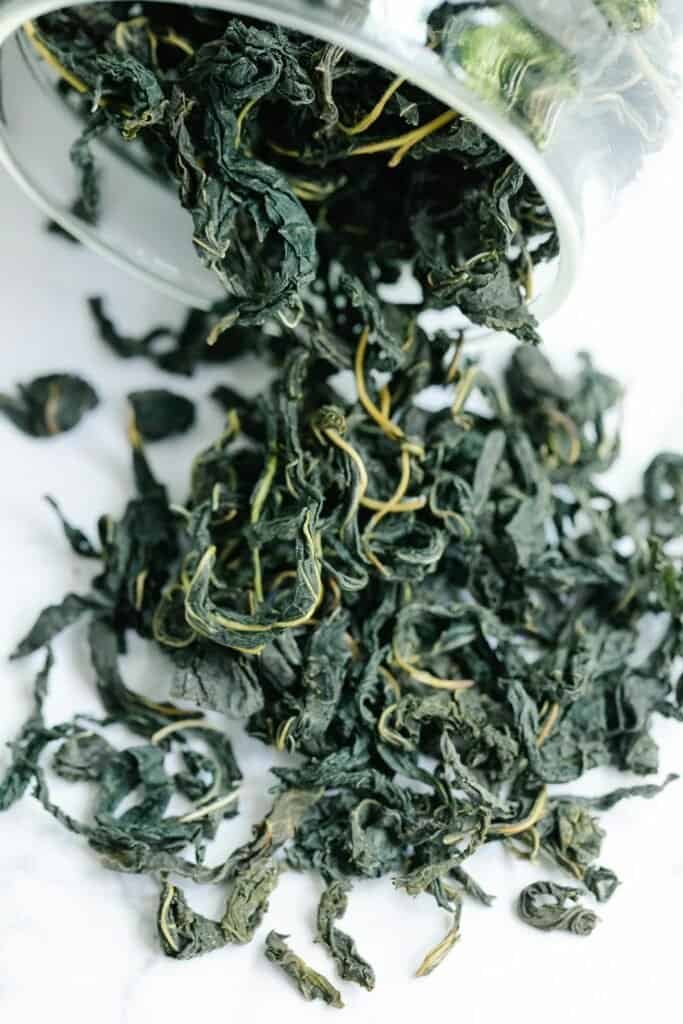
If there is one botanical that earns the right to open this list, it is green tea—or more precisely, its most potent active compound: epigallocatechin-3-gallate (EGCG). No other plant extract has been more extensively studied for acne, and few match the breadth of mechanisms it addresses simultaneously.
EGCG works directly against the hormonal cascade that drives acne. It suppresses IGF-1-stimulated lipid synthesis in sebocytes—meaning it targets sebum overproduction at the cellular level, through the exact same IGF-1 pathway that high glycemic load diets activate. It also blocks the activity of 5α-reductase, the enzyme that changes testosterone into the stronger DHT, which helps to reduce oil production driven by androgens. Topically applied, it has been shown to reduce sebum excretion measurably in clinical studies.
Its anti-inflammatory action is equally impressive. EGCG quiets the immune signaling molecules that turn a blocked pore into an angry, inflamed lesion—the same cascade we described in Root Cause #4. It also disrupts the protective colonies that C. acnes forms inside follicles and demonstrates direct antimicrobial activity against C. acnes and other acne-associated bacteria.
There is also an important antioxidant dimension: EGCG counteracts the oxidative degradation of squalene in sebum—addressing the altered sebum composition that makes acne-prone skin more inflammatory.
The clinical evidence
A systematic review and meta-analysis of five randomized controlled trials found that topical green tea extract produced significant, measurable reductions in both inflamed lesions — the red, angry breakouts — and non-inflamed lesions like blackheads and whiteheads, with results consistently favoring green tea across all studies. Topical efficacy was shown to be comparable to 1% clindamycin — a standard prescription antibiotic — with a more favorable side effect profile. A separate clinical study found a 39% reduction in acne severity index after six weeks of twice-daily application of a 2% green tea lotion, with minimal adverse effects.
How to use it
Look for topical formulations containing 2–5% green tea extract or EGCG. Oral green tea supplementation shows some benefit for inflammatory lesions, but the evidence is considerably weaker than for topical application—topical is the priority
Botanical #2: Tea Tree Oil (Melaleuca alternifolia)
Targets: C. acnes colonization · Inflammation · Antibiotic-resistant strains
If green tea is the botanical most extensively studied for acne, tea tree oil is the most widely recognized— and for good reason. Extracted from the leaves and branches of Melaleuca alternifolia, a plant native to Australia, it has been used for decades in dermatology and now has a meaningful body of clinical evidence to justify that reputation.
The engine behind tea tree oil’s anti-acne activity is a single compound: terpinen-4-ol, which makes up at least 35% of the oil. Terpinen-4-ol works by disrupting the bacterial cell membrane of C. acnes—physically compromising the bacteria’s structural integrity until it can no longer function. Critically, this mechanism of action does not promote antibiotic resistance, making tea tree oil a particularly relevant option as C. acnes resistance to prescribed antibiotics continues to rise globally.
Its anti-inflammatory action complements its antimicrobial effect. Terpinen-4-ol quiets the immune mediators that escalate a bacterial infection into a full inflammatory lesion—dampening the same inflammatory cascade that determines whether a blocked follicle becomes a papule, a pustule, or something deeper and more damaging.
The clinical evidence
In a landmark randomized controlled trial of 124 patients with mild-to-moderate acne, 5% tea tree oil gel performed comparably to 5% benzoyl peroxide in reducing both inflammatory and non-inflammatory lesion counts. The critical difference: only 44% of tea tree oil users reported skin dryness, irritation, and burning compared to 79% in the benzoyl peroxide group. Same results, significantly less skin damage. A 12-week open-label study further confirmed meaningful reductions in total lesion counts and overall acne severity, with side effects that resolved independently.
How to use it
The clinically validated concentration is 5%—never apply undiluted tea tree oil directly to skin, as pure essential oil can cause irritation and sensitization. Look for gels, serums, or spot treatments that list the concentration clearly. It pairs particularly well with soothing ingredients like aloe vera, which brings us to the next botanical.
Botanical #3: Aloe Vera (Aloe barbadensis Mill.)
Targets: C. acnes colonization · Inflammation · Skin barrier repair · Post-acne healing
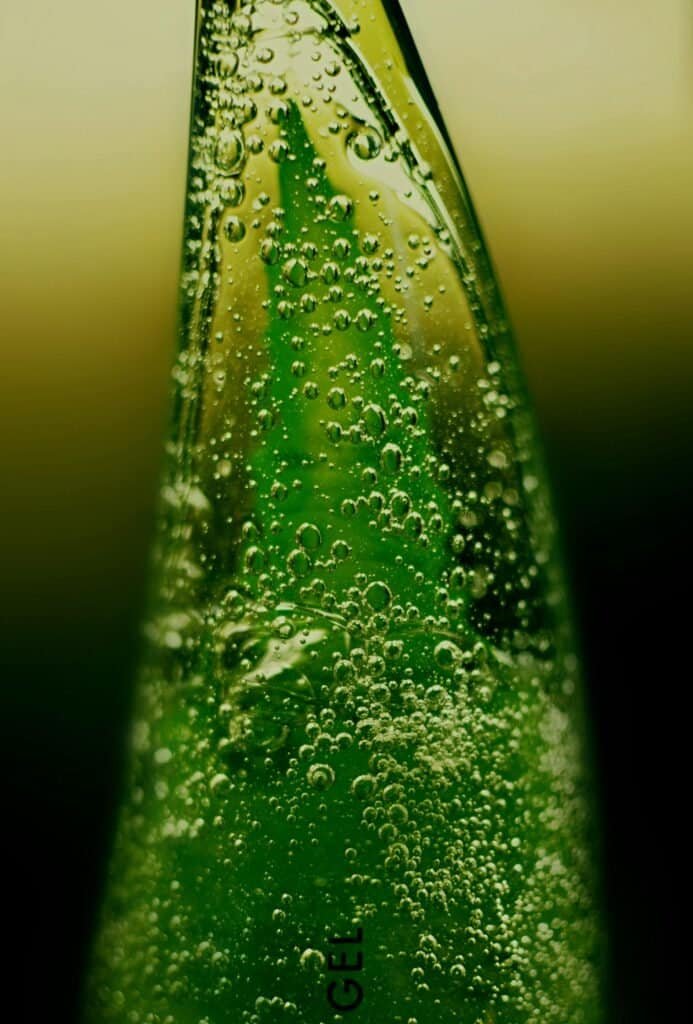
Aloe vera is the most universally recognized plant in skincare—and one of the most misunderstood. Most people reach for it as a soothing afterthought, a remedy for sunburn or irritation. But when it comes to acne, aloe vera is far more than a calming agent. It is a versatile plant that has real benefits for fighting germs, reducing inflammation, and helping to heal skin—and it is becoming more important in acne treatment based on research.
The therapeutic power of aloe vera lies in its extraordinary biochemical complexity. More than 75 active compounds have been identified in aloe gel. Of these, anthraquinones are the most pharmacologically significant for acne: they are directly responsible for aloe’s antibacterial activity against C. acnes and Staphylococcus epidermidis, inhibiting bacterial growth and disrupting the conditions that allow breakouts to take hold.
Its anti-inflammatory properties are equally well-documented. Aloe vera calms the immune response that escalates a clogged follicle into a painful, inflamed lesion—reducing redness, swelling, and the intensity of breakouts already in progress. This same soothing action makes it uniquely valuable as a companion ingredient: it protects and repairs the skin barrier while stronger actives do their work, reducing the dryness and irritation that so often undermine treatment adherence.
The clinical evidence
A randomized double-blind trial demonstrated that the combination of aloe vera gel and tretinoin—a prescription retinoid—significantly surpassed the efficacy of tretinoin alone in diminishing both inflammatory and non-inflammatory lesions. Crucially, the aloe group reported far fewer adverse effects, suggesting that aloe vera actively mitigates the skin barrier damage that makes retinoid therapy difficult for many women to sustain. A separate clinical study using aloe vera combined with ultrasound treatment demonstrated significant reductions in acne severity across mild to severe presentations.
How to use it
Aloe vera is one of the most versatile botanicals on this list—effective as a standalone gel, as a base in multi-ingredient formulations, and as a soothing layer applied after stronger actives. Look for products where Aloe vera juice or gel appears high in the ingredient list, indicating a meaningful concentration rather than a token inclusion.
Botanical #4: Berberine (Berberis spp.)
Targets: C. acnes colonization · Inflammation · Sebum production · Androgen activity · Post-acne hyperpigmentation
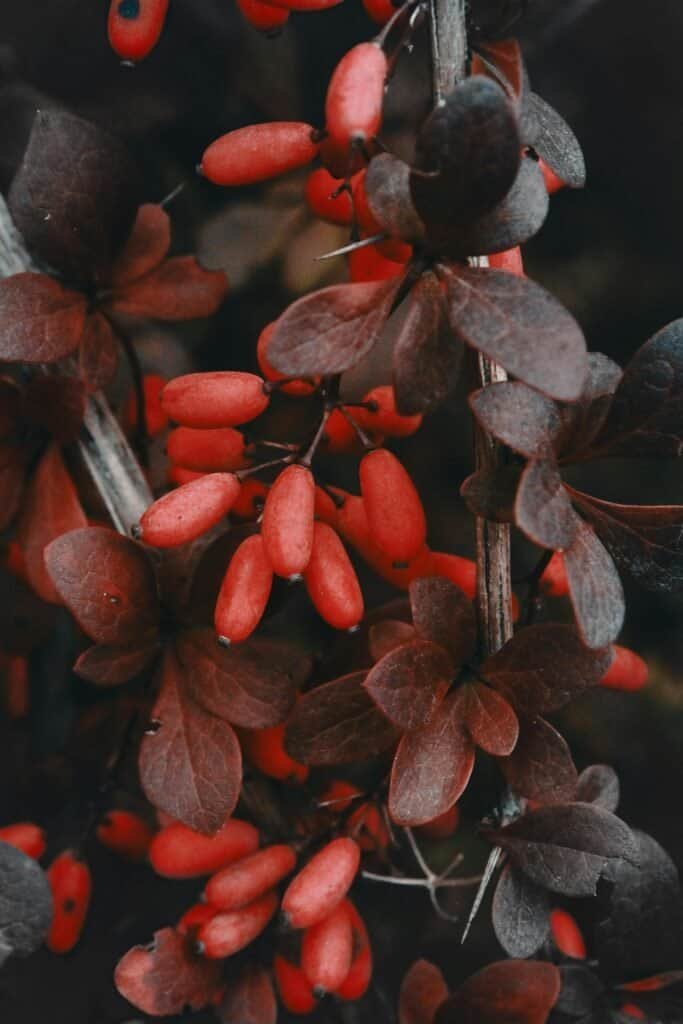
Of all the botanicals on this list, berberine may be the most surprising—and the most underestimated. Berberine, which is found in plants like common barberry and Iranian seedless barberry, is a compound that effectively targets many of the main causes of acne. It does not do one thing well — it does many things well simultaneously.
Its antimicrobial credentials are well-established. Berberine fights C. acnes in several ways: it damages the bacteria’s cell membrane, stops protein and DNA production, and importantly, it can break down the protective layers that make C. acnes resistant to regular antibiotics. This multi-pronged antimicrobial action makes it a compelling alternative for antibiotic-resistant acne presentations.
Its anti-inflammatory effect reduces the immune response that turns a clogged pore into a red, swollen spot—focusing on the same inflammatory process that occurs when C. acnes activates the skin’s immune system, as mentioned in Root Cause #4 of our first post.
What truly sets berberine apart, however, is its hormonal dimension. It raises levels of sex hormone-binding globulin (SHBG)—the protein that keeps androgens in check—directly reducing the free testosterone available to stimulate sebaceous glands. It also inhibits sebaceous gland lipogenesis, suppressing sebum production at the source. For women dealing with hormonally driven acne, this dual hormonal and antimicrobial profile is particularly meaningful.
The clinical evidence
A 4-week randomized controlled trial found that twice-daily topical application of Barberry integerrima root extract combined with spearmint oil produced reductions in total lesion counts and acne severity scores statistically comparable to 1% topical clindamycin — with zero reported side effects. A separate oral trial using Barberry. vulgaris aqueous extract in adolescents with moderate-to-severe acne showed significant reductions in both inflammatory and non-inflammatory lesions after four weeks, again with no adverse effects or complications.
How to use it
Berberine is available both as a topical ingredient and as an oral supplement — one of the few botanicals on this list with meaningful evidence for both routes. Topical products combining berberine with complementary ingredients like spearmint show particular promise. As an oral supplement, it is increasingly studied for hormonal acne in the context of conditions like PCOS.
Botanical #5: Centella asiatica (Madecassoside)
Targets: Inflammation · Skin barrier repair · Post-acne scarring · Skin hydration
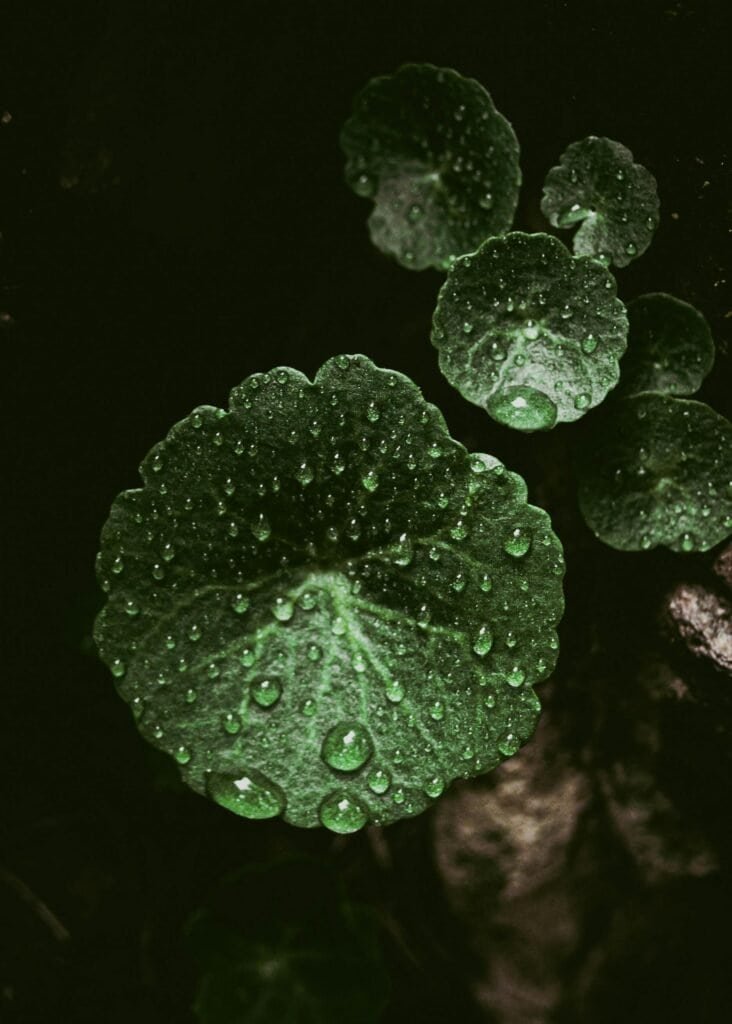
If berberine is the most underestimated botanical on this list, Centella asiatica may be the most misclassified. You have likely encountered it as a trendy K-beauty ingredient—celebrated for calming sensitive skin and fading scars. What is less well-known is that Centella asiatica’s anti-acne credentials go considerably deeper than surface-level soothing, with one of its key active compounds demonstrating a direct, molecularly precise action against C. acnes-driven inflammation.
That compound is madecassoside, a triterpene saponin and one of the most pharmacologically active constituents of Centella asiatica. Its anti-inflammatory mechanism targets the acne pathway with unusual specificity. When C. acnes triggers the skin’s immune response by activating Toll-like receptor 2 (TLR-2), the result is a flood of inflammatory signals, including IL-1β. Madecassoside directly inhibits this IL-1β production and blocks the activation of the inflammatory pathway that escalates a colonized follicle into a painful lesion. It targets the acne inflammatory cascade at its molecular trigger point.
Beyond its anti-inflammatory action, madecassoside actively supports the skin’s structural integrity. It stimulates the production of hyaluronic acid in the dermis, upregulates key barrier proteins in keratinocytes, and promotes collagen synthesis—making it one of the few botanical ingredients that simultaneously fights active inflammation and supports the repair of damage already done. For skin that has been compromised by harsh acne treatments, repeated breakouts, or both, this dual action is genuinely restorative.
The evidence
In vitro studies confirm madecassoside’s ability to significantly inhibit C. acnes-induced inflammatory responses and enhance skin hydration parameters simultaneously. Clinical studies of Centella asiatica extracts demonstrate measurable improvements in post-acne hyperpigmentation and wound healing outcomes, including in a split-face double-blind randomized trial examining post-laser skin repair—a context where barrier restoration mirrors the recovery needs of inflamed acne skin precisely.
How to use it
Look for Centella asiatica extract, Madecassoside, Asiaticoside, or Asiatic acid in topical serums and moisturizers. It is particularly valuable as part of a routine that includes stronger actives—applied after treatments like retinoids or acids to restore barrier integrity and reduce reactivity. It is one of the gentlest yet most scientifically grounded botanicals available for acne-prone skin.
Botanical #6: Mangosteen Pericarp (Garcinia mangostana)
Targets: C. acnes colonization · Follicular hyperkeratinization · Inflammation · Post-acne hyperpigmentation · Antibiotic-resistant strains
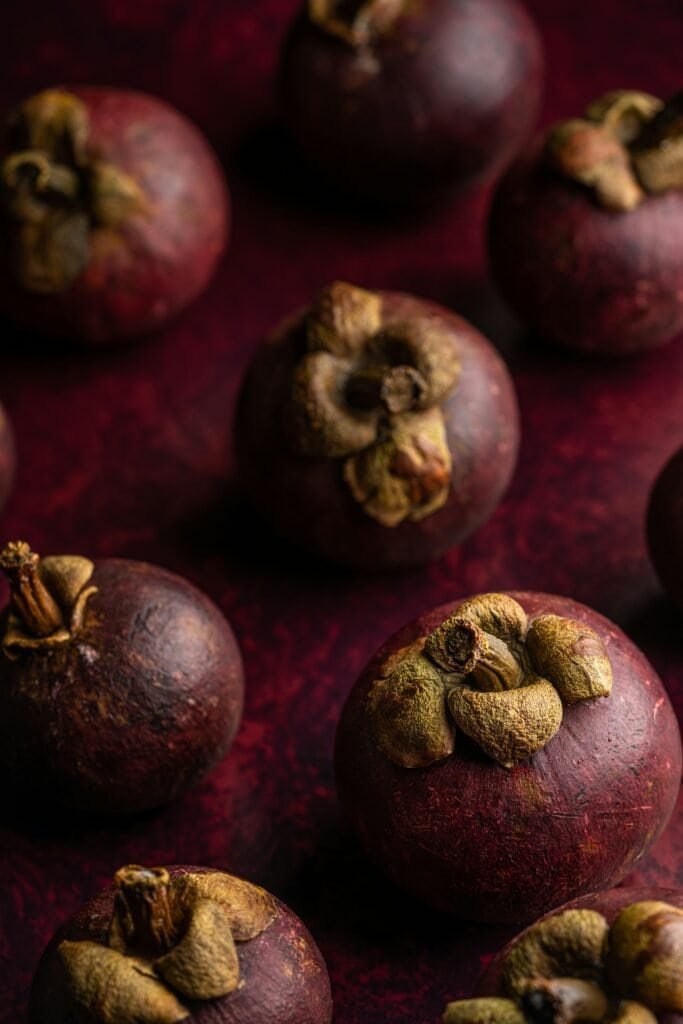
Mangosteen is known throughout Southeast Asia as the “queen of fruits”—celebrated for its flavor and its long history in traditional medicine. What makes it extraordinary for acne-prone skin, however, is not its fruit but its pericarp—the thick rind that most people discard—which contains one of the most potent collections of bioactive anti-acne compounds found in any plant studied to date.
The key players are xanthones—a class of polyphenolic compounds unique to mangosteen—of which α-mangostin and γ-mangostin are the most pharmacologically active. Their anti-acne profile is remarkably comprehensive. In terms of C. acnes activity, mangosteen extract had the greatest growth-inhibiting effects of all 19 medicinal plant extracts evaluated in one comparative study—outperforming every other botanical tested. α-Mangostin achieves these results by physically disrupting the bacterial cytoplasmic membrane — the same direct structural attack used by tea tree oil — making it effective even against antibiotic-resistant bacterial strains.
Mangostins also inhibit C. acnes-secreted lipase—the enzyme that breaks down sebum into inflammatory free fatty acids, directly fuelling the Root Cause #4 cascade. They suppress follicular keratinocyte hyperproliferation, targeting the clogging process of Root Cause #2. And their antioxidant activity reduces oxidative stress in sebocytes—protecting against the kind of sebum oxidation that makes acne-prone skin chronically inflammatory.
For readers dealing with post-acne marks, mangosteen offers an additional and meaningful benefit: α-mangostin inhibits melanin synthesis, actively reducing the post-inflammatory hyperpigmentation that so often outlasts the breakout itself.
The clinical evidence
A 12-week double-blind split-face randomized controlled trial found that 0.5% mangosteen nanoparticle gel produced a 66.86% reduction in comedones and a 67.05% reduction in inflammatory lesions—with the mangosteen side showing significantly better improvement in overall clinical severity than the clindamycin side, with no severe side effects. The same trial also demonstrated that the combination of mangosteen gel with benzoyl peroxide was comparably effective to the standard clindamycin plus benzoyl peroxide regimen at reducing both lesion counts and post-acne erythema.
How to use it
Look for topical formulations containing mangosteen pericarp extract or α-mangostin—increasingly available in dermocosmetic serums and treatment gels. Its anti-hyperpigmentation properties make it particularly valuable for women with medium-to-deeper skin tones navigating both active breakouts and post-acne dark spots simultaneously.
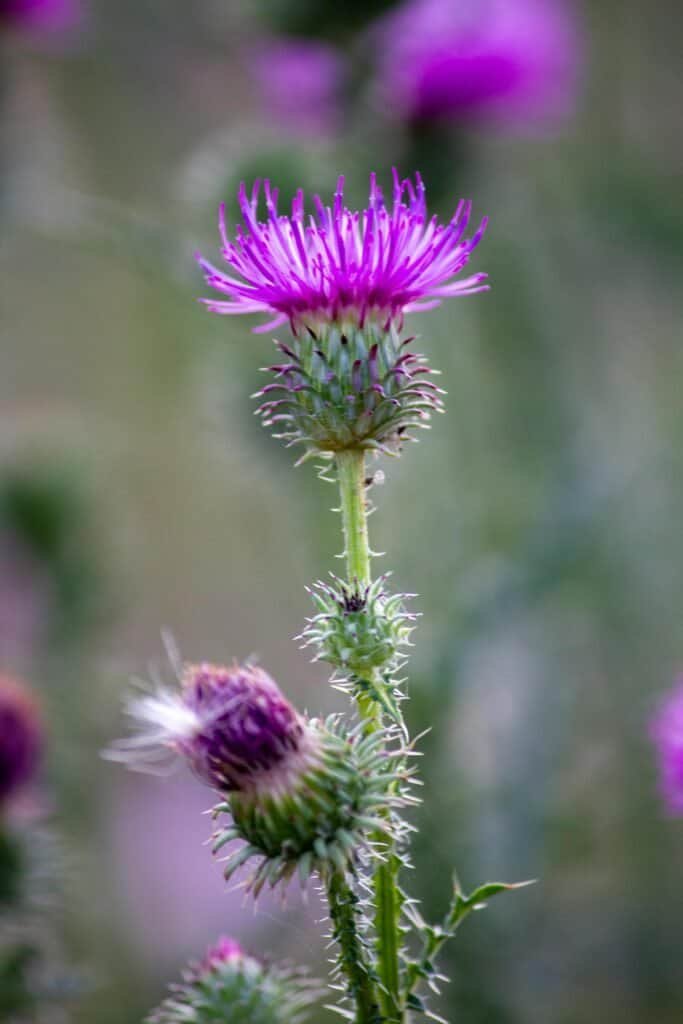
Botanical #7: Silymarin (Silybum marianum — Milk Thistle)
Targets: Sebum production · Sebum composition · Inflammation · Oxidative stress · Post-acne hyperpigmentation
Most people know milk thistle as a liver supplement. What is not well known is that its main active ingredient—silymarin, a mix of compounds from the plant’s dried seeds and fruits—specifically targets acne-prone skin by affecting the sebum production process in a way that no other plant on this list does.
The sebum story begins even before a pore becomes clogged. In acne-prone skin, the sebaceous gland produces not just too much sebum—it produces sebum with a compromised composition, lower in linoleic acid and higher in inflammatory compounds. Silymarin-free Silybum marianum fruit extract (SMFE) addresses the issue at the source—directly influencing the lipid storage mechanisms inside the sebaceous gland, increasing the expression of proteins that regulate lipid composition, and reducing the production of comedogenic free fatty acids. It does not simply reduce sebum volume — it helps normalize sebum quality.
Silymarin itself is a potent free radical scavenger that protects sebocytes from oxidative stress—counteracting the squalene oxidation in sebum that makes acne-prone skin chronically more inflammatory. Its anti-inflammatory properties work alongside its antioxidant effects to reduce the immune response that can worsen skin lesions. It also inhibits melanin synthesis—offering additional benefit for the post-acne hyperpigmentation that particularly affects women with darker skin tones.
For women dealing with hormonally driven or cyclical acne—where the sebaceous glands are persistently overactive—silymarin’s specific focus on sebum regulation and composition makes it a uniquely relevant ingredient.
The clinical evidence
In a prospective clinical study, 0.5% silymarin-containing antioxidant serum applied twice daily for four weeks produced significant reductions in acne severity scores and lesion counts, alongside reductions in sebum output and melanin pigmentation—with no adverse events reported. A separate 12-month real-world multicenter cohort study of Silybum marianum fruit extract found sustained, highly significant decreases in clinical lesion counts—a 45.6% improvement at six months and 59.6% at twelve months—alongside significant reductions in microcomedone counts on skin biopsy. A further split-face clinical trial found topical silymarin cream equally as effective as 30% salicylic acid chemical peeling for mild-to-moderate acne severity.
How to use it
Look for silymarin or Silybum marianum fruit extracts in topical serums and dermocosmetic formulations. The clinical evidence supports twice-daily application. It performs particularly well as an adjunct to other acne treatments—complementing rather than competing with stronger actives—and its favorable tolerability profile makes it suitable even for sensitive or barrier-compromised skin.
Botanical #8: Licorice Extract (Glycyrrhiza spp.)
Targets: Inflammation · Sebum production · C. acnes colonization · Post-acne hyperpigmentation · Skin tone
Licorice closes this list as the “finishing ingredient”—and the description is deliberate. While every other botanical on this list is primarily focused on preventing and treating active breakouts, licorice extract is uniquely positioned to address the full acne journey: the breakout itself and what it leaves behind.
The Glycyrrhiza genus—which includes G. glabra, G. uralensis, and G. inflata—contains a remarkably diverse portfolio of bioactive compounds. Three in particular are most relevant for acne:
Glycyrrhetinic acid (GA) is the major active metabolite of glycyrrhizin—licorice’s primary saponin. It is a potent anti-inflammatory that targets the immune signaling pathways driving acne inflammation. It also inhibits 11β-hydroxysteroid dehydrogenase, reducing local cortisol-driven inflammation in the skin, making it particularly relevant for stress-triggered breakouts. Additionally, GA demonstrates direct antimicrobial activity against C. acnes and inhibits melanin production through tyrosinase inhibition—making it a rare triple-threat ingredient that fights bacteria, calms inflammation, and prevents dark spots simultaneously.
Licochalcone A is the sebum specialist of the licorice family. Multiple clinical studies show it measurably reduces sebum production and inflammatory lesion counts — both as a standalone ingredient and as an adjunct to conventional treatments. It also reduces the severity of side effects associated with adapalene use, making it a clinically validated companion for retinoid therapy.Glabridin rounds out licorice’s hyperpigmentation credentials—inhibiting tyrosinase and melanin synthesis and actively brightening the post-acne marks that so often outlast the breakouts themselves.
The clinical evidence
Multiple randomized controlled trials of licochalcone A-containing formulations show significant reductions in inflammatory lesion counts, sebum levels, and C. acnes colonization—both alone and combined with adapalene, consistently outperforming vehicle controls. A separate glycyrrhetinic acid study using network pharmacology identified eight key anti-acne molecular targets addressed simultaneously by this single compound—a multi-targeted action profile comparable to combination drug therapy.
How to use it
Look for licorice root extract, glycyrrhetinic acid, licochalcone A, or glabridin in topical serums, moisturizers, and spot treatments. Its anti-hyperpigmentation credentials make it an ideal bridge between your acne treatment and your post-acne skin recovery—and a natural connection to Natural Beauty Regimen’s existing guides on treating hyperpigmentation naturally.
Using Botanicals Strategically: What to Know Before You Start
You now have a science-backed botanical toolkit of eight ingredients—each targeting one or more of the root causes of acne we established in our first post. However, understanding the functions of these botanicals is only a partial understanding. Knowing how to think about using them is what turns that knowledge into results.
Topical or Oral — Route Matters
Several botanicals on this list work through both topical application and oral supplementation, but the evidence does not always support both routes equally. Green tea has meaningful clinical evidence for topical application, which is significantly stronger than for oral intake. Berberine has well-documented evidence for both topical and oral use, making it one of the few genuinely dual-pathway options—particularly relevant for women managing hormonally driven acne internally. Silymarin has primarily topical clinical evidence. Aloe vera, tea tree oil, mangosteen, centella asiatica, and licorice are predominantly topical ingredients.
These Botanicals Work Best Together
One of the most important insights from the research is that botanical ingredients do not compete—they complement. The four root causes of acne are simultaneous and mutually reinforcing, which means the most effective approach addresses several of them at once. A well-formulated product combining an antimicrobial such as tea tree oil or berberine, an anti-inflammatory such as green tea, aloe vera, or centella asiatica, and a sebum regulator such as silymarin or licochalcone A targets the acne cascade from multiple angles simultaneously—mirroring the multi-targeted logic that makes combination drug therapies more effective than single-agent treatments.
This is not about layering eight products. It is about choosing formulations that contain synergistic combinations—and understanding why those combinations work.
Botanicals and Conventional Treatments Are Not Opposites
For mild-to-moderate acne, several botanicals on this list have demonstrated standalone efficacy comparable to prescription antibiotics in clinical trials. For moderate-to-severe acne, the evidence supports a different conclusion: botanicals work best as powerful adjuncts to, rather than replacements for, prescribed treatments.
The real value here is bidirectional. Botanical ingredients reduce the side effects of conventional treatments—aloe vera mitigates tretinoin-induced irritation, licochalcone A reduces adapalene-related dryness—improving treatment adherence, which is one of the most consistent predictors of acne treatment success. They also extend the benefits of conventional therapy into the recovery phase, addressing post-acne erythema, hyperpigmentation, and barrier repair in ways that most prescription drugs do not.
The Diet Foundation Still Matters
Botanical ingredients address acne at the skin level—targeting sebum, bacteria, inflammation, and barrier function with remarkable precision. But, as we established in our first post, the hormonal cascade that continuously drives sebaceous gland overactivity—fueled by high-GL diets and dairy—operates from the inside. Topical botanicals cannot fully compensate for a diet that keeps insulin and IGF-1 persistently elevated.
Think of it as two complementary layers of the same strategy: diet manages the hormonal root causes from within, and botanical ingredients address the biological consequences at the skin level. Both layers working together represent the most comprehensive, evidence-backed natural approach to clearer skin available today. One without the other leaves part of the problem unaddressed—and that is the honest, complete picture your skin deserves.
Conclusion: Nature Has Answers — Science Has the Proof
Every botanical in this guide targets the same biological mechanisms that drive acne—the four root causes you now understand from our first post—but with a gentler, multi-targeted approach that supports rather than compromises your skin’s natural defenses. That is not a small distinction. It is the difference between treating acne and caring for your skin while it is being treated.
What makes this moment in dermatology particularly exciting is that science and nature are no longer in opposition. Researchers are not just validating what traditional medicine has long known — they are revealing why it works, down to the molecular pathways, the receptor interactions, and the clinical outcomes measured in randomized controlled trials. The botanical toolkit in this post is not alternative medicine. It is evidence-based skincare that happens to come from plants.
Knowing which ingredients work and why transforms you from a passive consumer of skincare products into an informed one. You can read an ingredient label and recognize that licochalcone A targets sebum and calms inflammation. It becomes clear why a formulation combining centella asiatica and green tea makes scientific sense for acne-prone skin. Your choices are grounded in both your values and the evidence — and no breakout can take that kind of informed confidence from you.
The final piece of this picture is putting these ingredients to work in a daily routine that is structured, consistent, and built specifically for acne-prone skin. That is precisely what we tackle next.
➡ The Best Skincare Routine for Acne-Prone Skin (Step by Step)
And if you missed the foundation that this post builds on, start here:
➡ What Causes Acne? The Science Behind Breakouts and the Foods That Trigger Them
Other Posts You May Like:
- The Best Skincare Routine for Acne-Prone Skin (Step by Step)
- What Causes Acne? The Science Behind Breakouts and the Foods That Trigger Them
- 6 Proven Skin Benefits of Polypodium Leucotomos Backed by Science.
- How to Use Niacinamide for Best Results
- 7 Niacinamide Benefits for Skin Care
- 9 Best Polypodium Leucotomos Supplements for Sun Protection & Glowing Skin
- The Truth About Sunscreen: 8 Facts The Industry Doesn’t Want You To Know
- Natural Skincare Routine for Hyperpigmentation: A Step-by-Step Guide
- How to Treat Hyperpigmentation Naturally: A Complete Guide