6 Proven Skin Benefits of Polypodium Leucotomos Backed by Science
What if I told you there’s a natural supplement that could protect your skin from sun damage—from the inside out? This isn’t a cream or serum but a dietary supplement that begins to function within hours, shielding your cells from UV radiation, preventing DNA damage, and even aiding in the reversal of existing sun damage.
It sounds too good to be true, but dermatologists have been quietly recommending this botanical extract for years. With over three decades of clinical research and hundreds of peer-reviewed studies backing its effectiveness, Polypodium leucotomos is emerging from relative obscurity to become one of the most exciting developments in modern skincare.
The ingredient isn’t some trendy wellness fad or unproven supplement. Polypodium leucotomos has been rigorously studied by researchers at institutions like Harvard Medical School, tested in double-blind clinical trials, and proven effective in protecting against everything from sunburn to skin cancer risk. For centuries, indigenous communities in Central and South America have utilized this tropical fern, and now, modern science has confirmed its effectiveness.
In this comprehensive guide, you’ll discover six scientifically proven ways Polypodium leucotomos protects and enhances your skin, backed by the latest clinical research. Whether you’re concerned about photoaging, hyperpigmentation, or simply want the best protection possible against sun damage, this remarkable botanical extract deserves a place in your skincare routine.
What is Polypodium Leucotomos and Why Do Dermatologists Recommend It?
If you’ve ever wondered whether there’s a way to protect your skin from sun damage from the inside out, you’re about to discover dermatologists’ best-kept secret: Polypodium leucotomos.
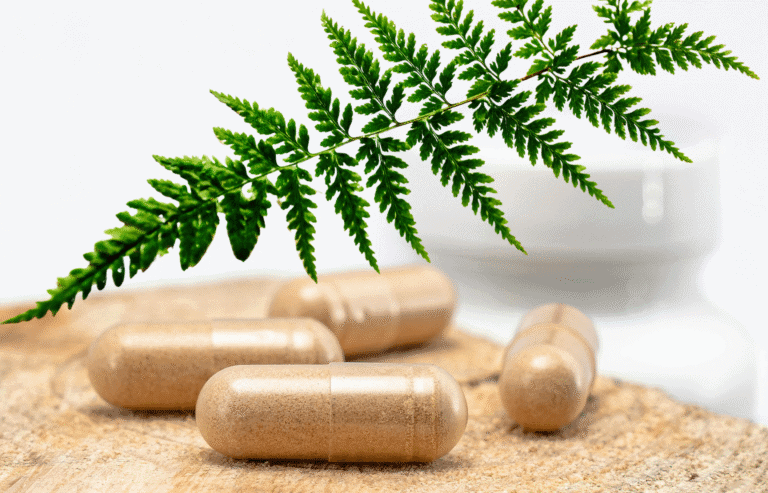
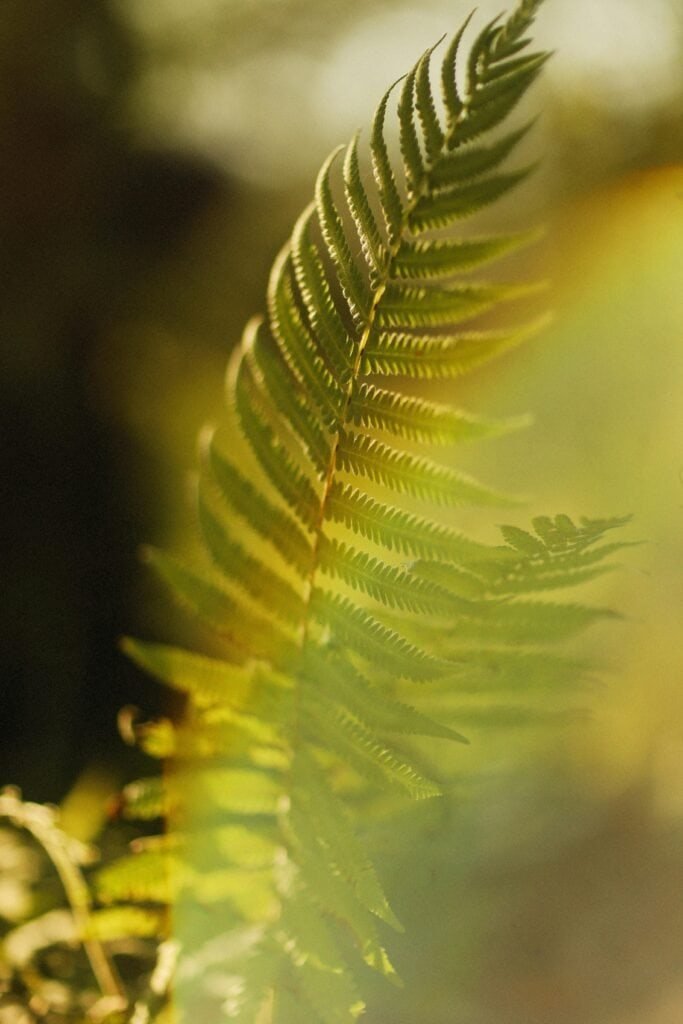
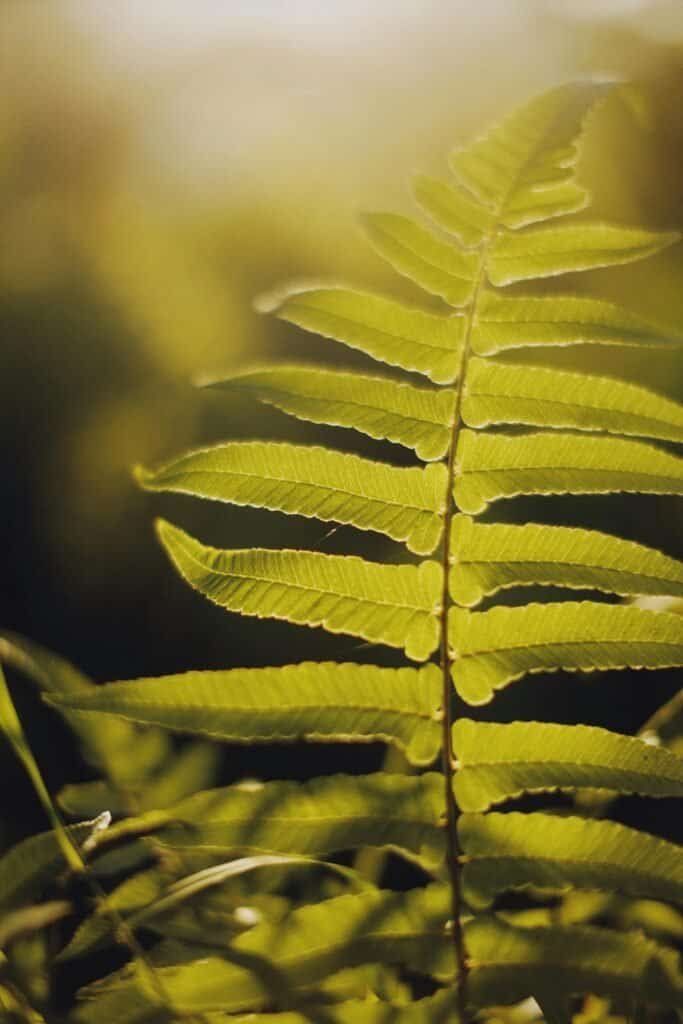
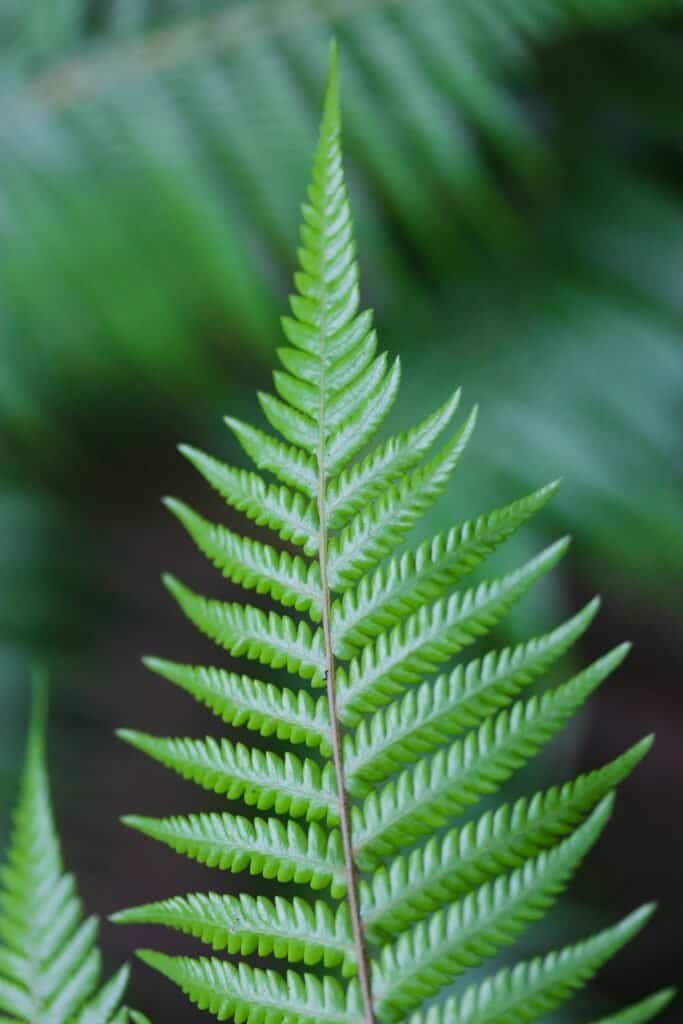
Polypodium leucotomos (PL) is an extract derived from a tropical fern native to Central and South America. Unlike topical sunscreens that sit on your skin’s surface, this botanical extract works systemically meaning it protects your skin from within after you swallow it in capsule form. Polypodium leucotomos extract has been studied extensively for over 30 years and is now available as a photoprotective supplement.
So what exactly is Polypodium leucotomos? At its core, PL is a concentrated extract from the aerial parts (leaves and fronds) of the fern, standardized to contain potent phenolic compounds blend. These powerful phytochemicals have been shown to neutralize the damaging effects of ultraviolet radiation, visible light, and even infrared radiation on human skin.
What makes this extract particularly exciting to dermatologists is its unique ability to provide multi-level protection against photoaging and skin damage. While traditional sunscreens create a physical or chemical barrier on your skin, oral Polypodium leucotomos works at the cellular and molecular level. Research shows it can reduce UV-induced inflammation, prevent DNA damage, protect your skin’s immune cells, and even help fade existing hyperpigmentation—all benefits that go far beyond what sunscreen alone can achieve.
The science behind PL is impressive: It’s the first oral supplement shown to enhance DNA repair mechanisms, preserve Langerhans cells (critical immune defenders in your skin), and provide sun protection that begins working within 2 hours of ingestion. With over three decades of clinical research and an excellent safety profile, it’s no wonder dermatologists increasingly view this ancient botanical remedy as a modern skincare essential.
The Ancient Origins of Polypodium Leucotomos for Skin Protection
Long before sunscreen became a staple in bathroom cabinets, indigenous communities in Central and South America had discovered nature’s solution to sun damage—a humble fern that would eventually revolutionize modern photoprotection.
The story of Polypodium leucotomos begins deep in the tropical rainforests of Central and South America, where this remarkable fern thrives in the dappled sunlight beneath forest canopies. Native to these regions, the fern is known locally by its indigenous name: “Calaguala.” For centuries, this plant held an important place in traditional medicine among Native American communities who recognized its powerful healing properties.
The evolutionary journey of this fern’s origin story is what makes it captivating. Polypodium leucotomos originally evolved as an aquatic plant before adapting to terrestrial life. To survive this dramatic environmental shift—moving from the protective cover of water to direct exposure to intense tropical sunlight—the plant had to develop extraordinary defenses. Over millennia, it naturally developed an enormous antioxidant capacity to shield its delicate structures from solar radiation and other harsh environmental conditions. This evolutionary adaptation would later become the foundation of its photoprotective benefits for human skin.
Indigenous healers were remarkably astute observers of their natural world. They discovered that preparations made from calaguala leaves possessed impressive anti-inflammatory properties and began using the fern in various medicinal applications. The plant was commonly consumed as an infusion—a tea made by steeping the fronds in hot water—or applied topically as a poultice for treating skin conditions like psoriasis and atopic dermatitis.
Learn more sunscreen with this blog post: The Truth About Sunscreen: 8 Facts The Industry Doesn’t Want You To Know
Perhaps the most intriguing traditional use came from an observation that would eventually be validated by modern science: indigenous people noticed that when they consumed calaguala preparations before spending time in the sun, they experienced significantly less sunburn. Anecdotal stories passed down through generations tell of natives taking the herbal infusion before extended sun exposure and returning without the painful, reddened skin that typically accompanied such activities. This folk wisdom represented an instinctive understanding of systemic photoprotection—the concept that internal consumption of certain compounds could enhance the skin’s natural defenses against UV radiation.
For decades, this practice remained simply a fascinating piece of ethnobotanical knowledge, used locally but largely unknown to the wider medical community. That changed in the 1990s when researchers at Harvard Medical School became interested in the traditional uses of Polypodium leucotomos. Through rigorous scientific investigation, they developed a patented hydrophilic extraction technology that could concentrate the photoprotective compounds from the fern’s leaves, creating what would eventually be marketed worldwide.
These Harvard researchers conducted groundbreaking studies that confirmed what indigenous peoples had known intuitively for centuries: oral and topical administration of Polypodium leucotomos extract could significantly reduce sunburn, acute phototoxicity, and immunosuppression reactions following sun exposure. Their work transformed an ancient botanical remedy into a clinically validated supplement backed by rigorous scientific evidence.
The journey from traditional medicine to modern dermatological supplements represents a beautiful convergence of ancient wisdom and contemporary science. What began as indigenous knowledge about a protective fern has evolved into a standardized extract now used in more than 26 countries worldwide, with over 30 years of safe use documented in clinical settings. Today, Polypodium leucotomos extract stands as a testament to the value of exploring traditional remedies with modern scientific methods—and a reminder that sometimes, nature got there first.
The 6 Proven Skin Benefits of Polypodium Leucotomos
Now that you understand the fascinating history behind this botanical extract, let’s explore what decades of clinical research have revealed about its remarkable effects on human skin. From neutralizing free radicals to preventing DNA damage, Polypodium leucotomos offers a comprehensive approach to skin protection that goes far beyond traditional sunscreen. Here are six scientifically proven benefits that make this supplement a game-changer in dermatological care—each one backed by peer-reviewed studies and clinical trials.


Benefit #1: Powerful Antioxidant Defense Against Free Radicals
At the heart of Polypodium leucotomos’ protective powers lies its extraordinary ability to neutralize free radicals—those unstable molecules that can wreak havoc on your skin cells. Free radicals are generated not only by sun exposure and environmental pollutants like air pollution and cigarette smoke but also by your body’s own metabolism as a natural byproduct of cellular energy production. If left unchecked by antioxidants, these highly reactive molecules attack your skin’s healthy cells, breaking down collagen, damaging DNA, and triggering inflammation that accelerates visible aging. When UV rays, visible light, or even the blue light from your devices hit your skin, they trigger the formation of free radicals, which can damage cellular structures, accelerate aging, and increase your risk of skin cancer. This is where PL’s antioxidant arsenal comes into action.
Polypodium leucotomos extract contains a powerhouse blend of phenolic compounds, with the most potent being caffeic acid, ferulic acid, and chlorogenic acid. These naturally occurring antioxidants work synergistically to intercept and neutralize multiple types of free radicals.
What sets PL apart from traditional antioxidants like vitamin C or E is its unique ability to scavenge superoxide anions, one of the most damaging forms of free radicals. In laboratory studies, PL demonstrated approximately 40%-60% of the activity of superoxide dismutase (SOD), an enzyme considered the gold standard for neutralizing these particularly harmful molecules. While many traditional antioxidants excel at quenching other free radicals, few can match PL’s effectiveness against superoxide anions, making it an exceptional addition to your antioxidant defense system.
Learn more about sun protection antioxidants with this post: 7 Best Natural Substances for Holistic Sun Protection and skin cancer prevention
But PL doesn’t just neutralize free radicals—it also prevents the cascade of damage they cause. Research has shown that the extract inhibits lipid peroxidation, a chain reaction where free radicals attack the fatty molecules in your cell membranes, leading to cellular dysfunction and premature aging. By protecting membrane integrity in both fibroblasts (the cells that produce collagen) and keratinocytes (your skin’s primary cells), PL helps maintain the structural foundation of healthy skin.
The clinical evidence supporting these antioxidant effects is compelling. Studies measuring 8-hydroxy-2′-deoxyguanosine (8-OH-dG)—a biomarker that indicates free radical damage to DNA—found that PL significantly reduced these markers in participants. This means the extract isn’t just preventing superficial damage; it’s protecting your skin’s genetic material from oxidative stress at the cellular level and preventing skin cancer.
One of the most impressive aspects of PL is its comprehensive protection across the light spectrum. While most people focus solely on UV radiation, emerging research shows that visible light and infrared radiation also contribute to skin aging. Polypodium leucotomos provides defense against all these wavelengths, including the blue light emitted by smartphones and computers that penetrates deep into the dermis and can trigger hyperpigmentation and collagen breakdown.
The extract’s high bioavailability makes it even more effective. When taken orally, the active phenolic compounds in PL are absorbed rapidly and efficiently, with studies showing absorption rates between 70% and 100%.
This means that within 1-2 hours of swallowing a capsule, these antioxidants are circulating through your bloodstream and reaching your skin cells, ready to defend against oxidative assault.
Think of Polypodium leucotomos as your skin’s internal shield against free radical damage—a round-the-clock antioxidant defense that provides protection from the inside out against the daily barrage of light-induced oxidative stress.
Benefit #2: Anti-Inflammatory Effects and Sunburn Prevention
Imagine having a built-in sunscreen that works from the inside, reaching every inch of your skin—including all those spots you inevitably miss when applying lotion. That’s essentially what Polypodium leucotomos provides. If you’ve ever experienced sunburn, you know that angry red, hot, swollen skin isn’t just uncomfortable—it’s your body’s inflammatory response going into overdrive. The good news? PL has been shown in multiple studies to significantly calm this inflammatory response and actually prevent sunburn from happening in the first place.
When UV rays hit your skin, they trigger a chain reaction of inflammation. Your blood vessels dilate, inflammatory chemicals flood the area, and immune cells rush to the scene—all of which creates that characteristic sunburn appearance. Polypodium leucotomos interrupts this inflammatory cascade at multiple points, offering protection that’s been validated in both animal research and human clinical trials.
In studies with hairless mice, researchers found that oral PL dramatically reduced inflammation after UV exposure. By 48 to 72 hours after sun exposure, mice given PL showed four to five times lower levels of key inflammatory markers compared to untreated mice. Even more impressively, the number of inflammatory cells infiltrating the sun-damaged skin dropped by 50% to 60% in PL-treated animals.
Learn more about Sunburn remedies with this post: Natural Sunburn Treatment: 5 Powerful Plant Extracts for Fast Relief & Healing
But the real proof comes from human studies. In a clinical trial published in the Journal of the American Academy of Dermatology, nine healthy volunteers took oral Polypodium leucotomos before controlled UV exposure. The results were clear: PL-treated skin showed significantly less redness at 24 hours compared to untreated skin. When researchers examined skin samples under a microscope, they found fewer signs of cellular damage and inflammation.
Perhaps the most meaningful measure of PL’s anti-inflammatory power is its effect on the “minimal erythema dose”—essentially, how much sun it takes before your skin turns red. After taking Polypodium leucotomos, participants could tolerate nearly three times more UV exposure before developing visible redness. That’s a substantial improvement in your skin’s natural sun tolerance.
This finding has been replicated across multiple studies. In a 2017 clinical trial involving 22 participants, PL reduced redness scores by 19% when measured both visually and with specialized equipment. A 40-participant study found that those taking 240 mg of PL twice daily for 60 days showed significantly increased sun tolerance and decreased UV-induced redness compared to the placebo group.
Benefit #3: Enhanced Skin Immunity and Langerhans Cell Protection


Your skin has its own surveillance system—specialized immune cells called Langerhans cells that patrol like security guards, identifying and eliminating damaged cells before they can turn cancerous. But here’s the problem: UV radiation doesn’t just damage your DNA; it also knocks out these defenders, leaving your skin vulnerable when it needs protection most.
Think of it like disabling the alarm system right before a break-in. When UV rays hit your skin, they trigger a chemical change that sends a “stand down” signal to your immune system. Your Langerhans cells either die off or abandon their posts, allowing damaged cells that need elimination to pass undetected. This immune suppression is one of the key reasons why chronic sun exposure leads to skin cancer.
Polypodium leucotomos protects against this immune shutdown in two powerful ways. First, it blocks that “stand down” signal from ever being sent. Second, and more importantly, it prevents your Langerhans cells from disappearing after sun exposure.
In animal studies, rats given PL for seven days maintained healthy populations of these immune defenders even after UV exposure, while untreated animals lost most of theirs. Even more compelling, mice that received PL through their drinking water for three weeks showed dramatically less immune suppression after heavy UV exposure—they could still mount normal immune responses while untreated mice couldn’t.
Human studies confirm these findings. Clinical trials show that people who take PL before sun exposure maintain significantly better Langerhans cell populations in their skin compared to those who don’t.
The bottom line? By keeping your skin’s immune surveillance system operational, Polypodium leucotomos helps ensure that damaged cells get caught and eliminated before they become a bigger problem. It’s not just about preventing today’s sunburn—it’s about protecting against tomorrow’s skin cancer.
Benefit #4: DNA Protection and Skin Cancer Prevention
Every time UV radiation hits your skin, it can attack the DNA inside your cells, creating tiny errors called cyclobutane pyrimidine dimers. Think of these as typos in your DNA’s instruction manual. Usually, your body’s repair mechanisms catch and fix these errors. But with repeated sun exposure, some slip through, and those uncorrected mistakes can eventually transform a healthy cell into a cancerous one. This is where Polypodium leucotomos shows perhaps its most critical benefit: it helps protect against this DNA damage and, potentially, skin cancer itself.
Here’s what makes this so compelling: researchers tested PL on 61 people at extremely high risk for melanoma. These weren’t average sun-seekers; they were patients with familial melanoma, sporadic melanoma, or dysplastic nevus syndrome, meaning they were genetically predisposed to developing skin cancer. After taking PL, their sun tolerance increased by 30% across the board, with those at highest genetic risk showing even greater improvements. For people living with the constant worry of developing melanoma, this kind of photoprotection could be life-changing.
But melanoma isn’t the only skin cancer PL helps prevent. In another study, 34 patients with actinic keratoses —those rough, scaly patches that can progress to squamous cell carcinoma—combined PL with their standard treatment. The results? Significantly better clearance of these precancerous lesions and fewer recurrences over six months compared to treatment alone. The extract wasn’t just helping treat existing damage—it was preventing progression to full-blown cancer.
What makes these findings so powerful is that they involve high-risk patients—people who’ve already had skin cancer or are genetically prone to it—and PL still made a measurable difference. This isn’t just about cosmetic benefits. It’s about protecting your skin’s genetic integrity and reducing your lifetime cancer risk, one dose at a time.
Benefit #5: Hyperpigmentation and Melasma Reduction
If you’ve ever struggled with melasma—those stubborn brown patches on your cheeks that seem impossible to fade—you know how frustrating hyperpigmentation can be. Sun exposure has not only the potential to burn your skin; it can also trigger melanin production that can leave lasting dark spots and uneven tone. Here’s where Polypodium leucotomos offers another compelling benefit: it helps prevent and reduce unwanted pigmentation.
The science behind this is fascinating. UV radiation isn’t the only culprit—visible light, the kind you’re exposed to every single day indoors and out, also triggers pigmentation, especially in darker skin tones. In a study of 22 participants who took 480 mg of PL daily for 28 days, researchers found that PL significantly reduced the dark spots and tanning that develop after light exposure. The extract was literally blocking the pigmentation response before it could start.
But what about treating existing melasma? The results here are particularly encouraging. In a double-blind study of 40 patients who combined PL (480 mg daily) with hydroquinone cream and sunscreen for 12 weeks, both groups saw improvement—but the PL group experienced significantly better results. While the placebo group saw a 44% reduction in melasma severity, the PL group achieved a 55% reduction. Patients taking PL also reported much better quality of life scores, which means that the improvement was big enough to be noticed in everyday life.
Want to get rid of Hyperpigmentation? Check this post: How to Treat Hyperpigmentation Naturally: A Complete Guide
PL may not only stop new pigmentation from forming, but it may also help lighten dark spots that are already there. In a clinical study of 10 patients undergoing PUVA therapy —a treatment known to cause significant hyperpigmentation—those taking PL showed noticeably reduced pigmentation by 4 months. The reduction in dark spots occurred simultaneously with diminished inflammation, indicating that PL aids in the attenuation of hyperpigmentation by regulating the inflammatory response that initiates excessive melanin synthesis.
The bottom line? Polypodium leucotomos works on two fronts: preventing new pigmentation from forming after light exposure and potentially helping fade existing hyperpigmentation when combined with standard treatments.
Benefit #6: Anti-Aging Properties to Combat Fine Lines and Wrinkles


Here’s the reality about sun exposure and aging: every time UV rays penetrate your skin, they trigger a cascade of damage to the very structures that keep your skin firm, smooth, and youthful. We’re talking about collagen breakdown, elastin degradation, and the activation of enzymes that literally dissolve your skin’s structural support system. This is why chronically sun-exposed areas like your face, neck, and hands show dramatically more aging than sun-protected areas—even on the same person.
But what if you could help protect those structures from the inside out? That’s exactly what Polypodium leucotomos does—and the clinical evidence for anti-aging benefits is remarkable.
In a three-month study of 40 healthy adults, researchers measured specific markers of skin aging before and after daily PL supplementation. The results were impressive: participants experienced statistically significant improvements in skin hydration and elasticity—two critical factors that determine how youthful skin looks and feels. Even better, the study found reduced trans-epidermal water loss, meaning skin was better able to maintain its moisture barrier, that protective layer that keeps skin plump and resilient.
Think about what this means in real terms. Better elasticity translates to skin that bounces back instead of sagging. Improved hydration means fewer fine lines and a more radiant complexion. Enhanced moisture barrier function means skin that’s more resistant to environmental damage and visible aging.
This isn’t about reversing decades of damage overnight. It’s about giving your skin the internal support it needs to maintain its structure and resist the daily assault of UV radiation that can accelerate aging. Combined with proper topical skincare, Polypodium leucotomos offers a comprehensive approach to keeping skin looking younger longer—not by magic, but by protecting the very foundation of youthful skin at the cellular level.
Polypodium Leucotomos Dosage, Safety, and What to Expect
Now that you understand the impressive benefits of Polypodium leucotomos, you’re probably wondering, “How much should I take?” “Is it safe?” And “when will I actually see results?”
These are the practical questions that matter when you’re considering adding any supplement to your routine. The positive news is that PL has been extensively studied in clinical trials, giving us solid guidance on effective dosing and a clear safety profile. Let’s break down everything you need to know to use Polypodium leucotomos safely and effectively for maximum skin protection.

Recommended Dosage and Timing
Based on extensive clinical research, the most studied and effective dose of Polypodium leucotomos ranges from 240 mg to 480 mg daily. Here’s how to break that down based on your goals.
For Daily, Long-Term Protection: The optimal dosage appears to be either 240 mg twice daily (morning and afternoon) or 480 mg once daily. This is the dosage used in the majority of successful clinical trials, including studies on melasma, photoaging, and general photoprotection. Most participants in these studies took PL for 60 to 90 days before seeing optimal results, though some benefits appeared within the first month.
For Acute Sun Exposure: If you’re heading out for a day at the beach or prolonged outdoor activity, clinical studies show that taking 240 mg approximately 1 to 2 hours before sun exposure provides measurable protection. Some researchers have used a loading approach—taking one dose the evening before and another dose 1-2 hours before exposure—for maximum acute protection.
Important Timing Considerations: The key is consistency. For chronic photoprotection and the cumulative benefits like DNA repair, anti-aging effects, and pigmentation control, daily supplementation works best. Think of it like building a shield rather than applying emergency armor. The photoprotective effects peak within 1-2 hours of ingestion and last for several hours, which is why splitting your daily dose (morning and early afternoon) can provide more consistent coverage throughout the day.
Safety Profile and Side Effects
Here’s the reassuring news: Polypodium leucotomos has an exceptionally clean safety record. We’re talking about decades of clinical use and research with remarkably few reported issues.
A comprehensive literature review spanning over 40 years of research examined both clinical trials and real-world use of PL. The findings? Out of thousands of participants taking doses ranging from 120 mg to 1,080 mg daily, serious adverse events were essentially nonexistent. When side effects did occur—which was rare, affecting only about 2% of users—they were mild and included minor gastrointestinal discomfort or occasional itching. In every case, these symptoms resolved completely when people stopped taking the supplement.
One of the most rigorous safety studies enrolled 40 participants who took 240 mg of PL twice daily for two months. Researchers monitored everything: vital signs, complete blood counts, metabolic panels, liver function, and kidney function. The result? Zero treatment-related adverse events. No significant changes in any clinical parameters. This level of safety monitoring gives us confidence that PL doesn’t interfere with normal physiological function even with consistent, long-term use.
Who Should Exercise Caution? While PL is generally well-tolerated, pregnant and breastfeeding women should avoid it due to lack of specific safety data in these populations. If you’re taking any medications or have underlying health conditions, it’s always smart to consult your healthcare provider before adding any new supplement to your routine.
The bottom line? For most people, Polypodium leucotomos is a remarkably safe addition to a comprehensive sun protection strategy and skin care regimen.
How Long Until You See Results?
This is probably the most common question—and the answer depends on what you’re trying to achieve with Polypodium leucotomos.
Immediate Photoprotection (1-2 Hours): If you’re taking PL for acute sun protection—like before a day at the beach—the photoprotective effects kick in relatively quickly. Clinical studies show that protection begins within 1 to 2 hours after ingestion and lasts for several hours. So if you’re planning extended sun exposure, taking your dose about 2 hours beforehand gives you optimal coverage.
Visible Skin Benefits (4-12 Weeks): For benefits you can actually see and feel—like reduced sunburn, less redness, and improved skin texture—most people start noticing changes within the first month, though optimal results typically require 60 to 90 days of consistent daily supplementation. In the clinical trials we’ve discussed, participants taking 240-480 mg daily saw measurable improvements in:
– Skin hydration and elasticity: 3 months
– Reduced sun-induced redness: 4-8 weeks
– Visible light-induced pigmentation reduction: 28 days
Pigmentation and Melasma (8-12 Weeks): If you’re using PL specifically for melasma or hyperpigmentation, patience is key. The studies showing significant improvement required 12 weeks of daily use combined with topical treatments. Remember, dark spots took time to develop—they’ll take time to fade too.
Long-Term Benefits (3-6 Months): The deeper benefits—DNA protection, cancer prevention, anti-aging effects—are cumulative and build over time. While these protective mechanisms start working from day one, the measurable impact on things like precancerous lesion reduction was most significant after 6 months of consistent use.
The Bottom Line? Think of Polypodium leucotomos as a long-term investment in your skin’s health rather than a quick fix. You’ll get some immediate photoprotection, but the truly transformative benefits require consistent daily use for at least 2-3 months.
Frequently Asked Questions About Polypodium Leucotomos
Even with all the science and clinical evidence we’ve covered, you probably still have some practical questions about using Polypodium leucotomos in your daily routine. That’s completely normal—whenever you’re considering a new supplement, the details matter.
In this section, we’ll address the most common questions people ask about PL, from how it works with other supplements to whether it can replace sunscreen. These are real questions from real people looking to make informed decisions about their skin health.


Is Polypodium leucotomos banned in any countries?
Polypodium leucotomos is legal in all major markets. In fact, it’s quite the opposite—PL has been legally available and widely used for decades across multiple countries.
PL has been commercially available in Europe since 2000 (marketed under brand names like Fernblock) and in the United States since 2006, where it’s sold as a dietary supplement. It’s currently available in more than 26 countries worldwide, including major markets in North America, Europe, Asia, and South America.
The supplement has a long history of traditional use and over 30 years of commercial availability without any significant safety concerns that would trigger regulatory bans. In the US, it’s classified as a dietary supplement, which means it’s regulated by the FDA under the Dietary Supplement Health and Education Act.
The widespread availability and continued legal status across multiple regulatory jurisdictions reflect PL’s established safety profile and acceptance as a natural photoprotective supplement.
Can Polypodium leucotomos replace sunscreen?
Absolutely not—and this is critical to understand.
Here’s why: Sunscreens work by physically blocking, absorbing, or reflecting UV radiation before it penetrates your skin. PL works differently—it protects your skin from the inside, at the cellular level, by neutralizing free radicals, reducing inflammation, and supporting DNA repair after UV exposure has already occurred. These are two completely different mechanisms of protection.
Learn more about sunscreen for black skin with this post: Sun Protection for Black Skin: Why Cancer Prevention Alone May Not Justify Sunscreen Use
Think of it this way: sunscreen can be your front-line defense that stops sunlight penetration through your skin, while PL is your backup system that mitigates damage that gets through.
What’s the difference between Polypodium and Heliocare?
Here’s what you need to know: Heliocare is simply one brand name for supplements that uses a proprietary Polypodium leucotomos extract called Fernblock, which has been extensively studied in clinical research. However, Heliocare is just one of many quality brands available. Other reputable options include Sun Powder, Organic Hope Kalawalla, and numerous others from established manufacturers.
What matters most isn’t the brand name—it’s that you’re getting a standardized Polypodium leucotomos extract. These extracts all contain the same active compounds from the leaves of the Polypodium leucotomos fern: polyphenolic compounds like caffeic acid, ferulic acid, and chlorogenic acid that provide the photoprotective benefits.
When shopping for PL supplements, look for products that clearly state they contain standardized Polypodium leucotomos extract and specify the amount per capsule (typically 240-480 mg). You don’t have to limit yourself to just one brand name; any reputable brand offering this standardized extract should deliver comparable results to those seen in clinical studies.
Conclusion
Hundreds of clinical studies and decades of research have led to the clear conclusion that Polypodium leucotomos represents one of the most significant advances in photoprotection available today. From neutralizing free radicals and preventing DNA damage to reducing hyperpigmentation and slowing the visible signs of aging, this botanical extract offers a level of comprehensive skin protection that simply isn’t possible with topical sunscreen alone.
What makes PL truly remarkable isn’t just one benefit—it’s the synergistic combination of all six. While your sunscreen blocks UV rays at the surface, Polypodium leucotomos works at the cellular level to protect your DNA, preserve your skin’s immune function, reduce inflammation, and support your body’s natural repair mechanisms. Together, they create a powerful defense system that addresses skin protection from every angle.
Over 30 years of clinical use, thousands of study participants, and an exceptional track record with minimal side effects speak for the safety profile of Polypodium leucotomos. For most healthy adults, daily supplementation with 240-480 mg of standardized Polypodium leucotomos extract is both safe and effective.
Whether you’re concerned about premature aging, struggling with melasma, or simply want the best possible protection against sun damage, Polypodium leucotomos deserves serious consideration. Remember, this supplement works best as part of a comprehensive sun protection strategy that may include broad-spectrum mineral sunscreen, protective clothing, and sensible sun habits.
The science is clear, the benefits are real, and the time to start protecting your skin from within is now.
Other Posts You May Like:
- 9 Best Polypodium Leucotomos Supplements for Sun Protection & Glowing Skin
- 7 Niacinamide Benefits for Skin Care
- The Truth About Sunscreen: 8 Facts The Industry Doesn’t Want You To Know
- Photosensitivity and Skin Phototype: Understanding and preventing Sun Reactions
- Natural Sunburn Treatment: 5 Powerful Plant Extracts for Fast Relief & Healing
- Hydroquinone-Induced Hyperpigmentation in Melanin-Rich Skin: Causes, Treatment, and Prevention
- 7 Best Natural Substances for Holistic Sun Protection and skin cancer prevention
- Natural Skincare Routine for Hyperpigmentation: A Step-by-Step Guide
- Sun Protection for Black Skin: Why Cancer Prevention Alone May Not Justify Sunscreen Use
- How to Treat Hyperpigmentation Naturally: A Complete Guide